Imagine that tax season arrives and you discover that someone has already filed a federal return using your Social Security number. Not only could that complicate the process, but you could also face delays while the Internal Revenue Service (IRS) investigates what happened.
To reduce that risk, the agency recommends a free tool: the Identity Protection PIN, known as the IP PIN. It is a six-digit code that helps confirm that you are the one filing and makes it harder for someone else to use your information to commit tax fraud.
One detail you should keep in mind: the IRS does not automatically send this code to every taxpayer. If you want to use it as a preventive measure, you must apply for it and verify your identity.
What is the IRS six-digit PIN for?
The IP PIN functions as an extra layer of security when you file your federal tax return. If someone obtains your Social Security Number or your Individual Taxpayer Identification Number (ITIN), they will still need the corresponding PIN to file a return that requires it.
According to official IRS information, the PIN helps prevent criminals from filing fraudulent returns with someone else’s data. The code is confidential and is renewed each year.
This matters especially if you are concerned about identity theft. A thief could use stolen personal information to try to claim a refund that isn’t theirs. The PIN does not eliminate all risks, but it makes that kind of fraud more difficult.
Who can apply for the IRS PIN?
The program is available to anyone who has a Social Security number (SSN) or an ITIN and can verify their identity. You do not need to have been a victim of tax fraud to participate.
You can also request it even if you are not required to file a federal tax return. The tool is designed to protect your tax identity, not only to speed up your procedures.
If you file taxes with your spouse, note that each person can have their own PIN. The same goes for dependents who meet the verification requirements.
How to Get the Identity Protection PIN for Free
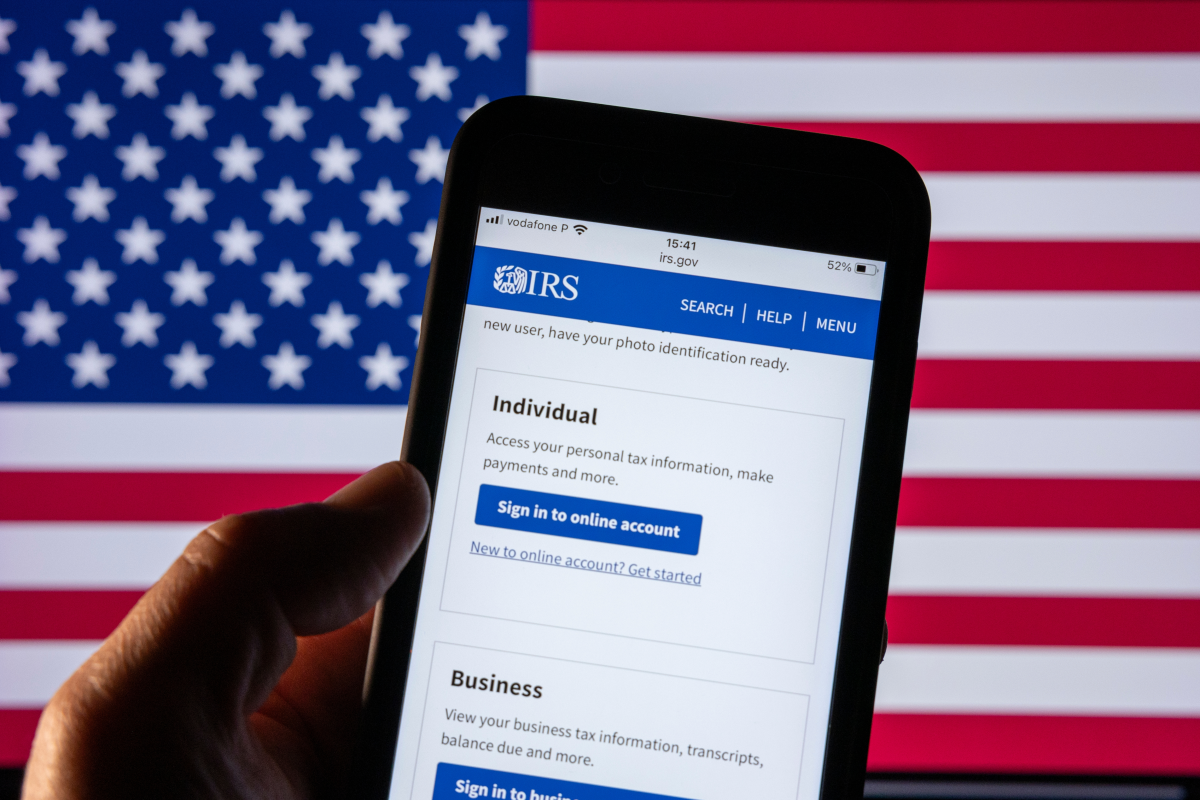
The most direct route is to log in to your IRS individual account. Once you verify your identity, look for the IP PIN option within your profile and follow the instructions to enroll.
If you cannot complete online verification, other alternatives exist. The IRS allows certain taxpayers with adjusted gross income under $84,000 if filing separately, or $168,000 if filing jointly to use Form 15227. You can also request an appointment at a Taxpayer Assistance Center if you do not meet the criteria for that route.
Before starting, check the updated requirements on the official site. Do not share your personal information on pages that promise to deliver the PIN in exchange for money: the process is free.
What You Must Do to Keep the Protection
If you obtain the code, store it in a safe place. You will need to include it when filing the relevant federal returns during the year. If it is missing or incorrect, your e-file return may be rejected.
The IRS also warns that it will never call you, text you, or email you to ask for the PIN. If you receive such a request, don’t trust it.
You can consult the official procedure on the IRS Identity Protection PIN page and review the recommended security tips before you file your taxes.
Protecting your identity may take a few minutes, but resolving a tax fraud case can take much longer. If you want to reduce that risk before the next tax season, applying for the PIN is a preventive measure worth considering.