If you bought a new iPhone in the United States during 2024 or early 2025, it’s worth checking whether you can claim money from Apple. The company agreed to pay $250 million to settle a class action related to the artificial intelligence features announced for Siri that, according to plaintiffs, were not available as buyers expected.
The agreement does not mean all iPhone owners will receive a check. Compensation is limited to certain models and purchase dates. If you qualify, the initial estimated payout is $25 per device, though it could be adjusted up to a maximum of $95, depending on valid claims and other factors.
The date you should mark on your calendar is the December 21, 2026. That is the deadline to file a claim.
Which iPhone can give you the right to claim money?
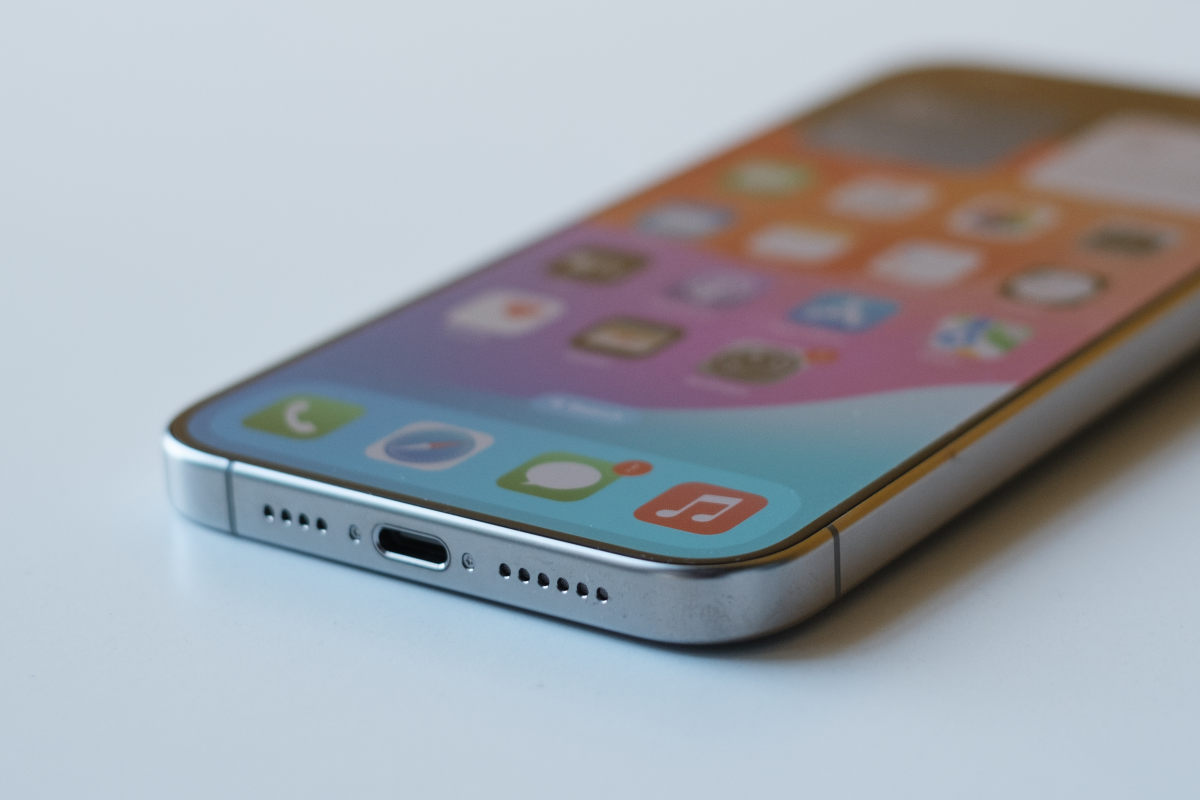
According to the official Apple Settlement site, you may qualify if you reside in the United States and originally purchased one of these models in the country between June 10, 2024 and March 29, 2025:
The phone must have been bought for personal or business use, not for resale. In addition, you must have expected to receive certain Siri features linked to Apple Intelligence that were not available as expected at the time of purchase.
Therefore, simply owning a recent iPhone isn’t enough. If you bought a standard iPhone 15 model or obtained the device outside the specified period, you do not meet the criteria described for this agreement.
Why did Apple agree to pay $250 million?
The lawsuit challenged the way Apple marketed the artificial intelligence features of Siri and Apple Intelligence for its latest phones. Plaintiffs argued that the advertising created expectations about capabilities that were not available at the anticipated time.
Apple denied the allegations and any misconduct. The settlement aims to resolve the litigation without the company admitting fault.
For consumers, the practical question is another: if you bought one of the included devices expecting those features, you could be entitled to compensation. However, the final amount will depend on the settlement process and judicial approval.
How to claim Apple’s money before the deadline
The process is conducted online through the official Smartphone AI Settlement portal. You must complete the claim form with your details and the information needed to identify the device.
The process requires confirming that you purchased an eligible model within the specified period and that you expected to receive certain Siri features that you did not obtain. The form asks for information that allows verification of the purchase or ownership of the device.
You can file a claim for each eligible device. If you bought two phones that meet the conditions, follow the instructions to submit a separate claim for each one.
Don’t leave the process to the last moment: the deadline is December 21, 2026. Before submitting your information, verify that you are on the official site and not on a third-party page that charges you to process the request.
When will you receive the payout?
There is not yet a definite date to receive the money. The hearing for final court approval of the settlement is scheduled for February 24, 2027. The timeline could change if appeals or other legal delays arise.
The estimated payout starts at $25 per device and could go up to $95, but you should not take the maximum amount as guaranteed. The number of valid claims and other factors can affect the final amount.
If you bought an eligible iPhone, checking the requirements now can prevent missing the opportunity by letting the deadline pass. The key is to confirm the model, purchase window, and eligibility conditions before filing your claim.