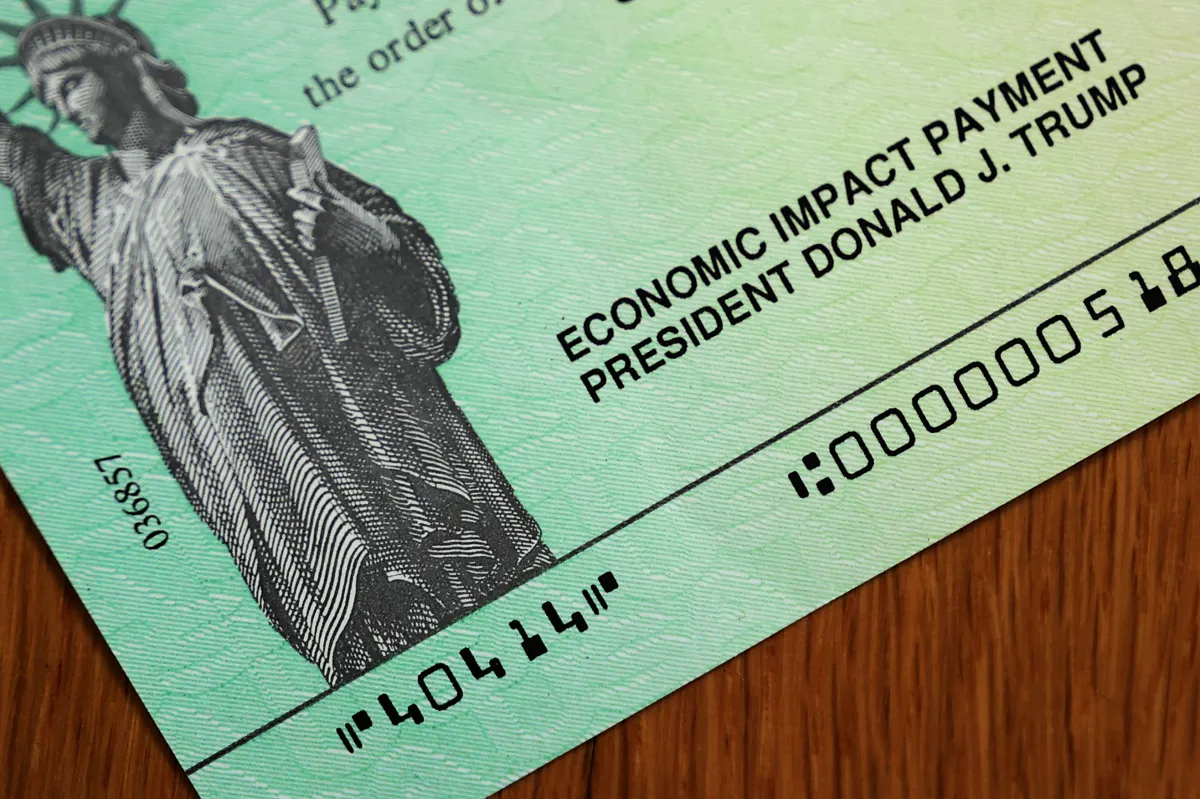
Just opening any social network for a couple of minutes will put you face to face with a flashy video that promises a new federal stimulus check is about to land in your bank account. They tell you that you only need to fill out a quick form, click a few times, or register your phone number to receive thousands of government-approved dollars. Yet, when you head to the ATM or check your app, reality hits you with a cold splash. Your balance remains exactly the same, and the month’s bills don’t wait for anyone.
As financial analyses from specialized portals like Kiplinger rightly report, the idea of a fourth broadly distributed federal economic impact check has been frozen in the past. The promises circulating around tend to be smoke or blatant attempts to harvest your personal information.
Why Do They Keep Advertising Stimulus Checks That Do Not Exist?
The appetite for information about financial assistance in our community is enormous, and content creators know it perfectly. Many portals chase desperate clicks by exaggerating legislative proposals that haven’t even been debated in Congress, or worse yet, disguising local aid programs as if they were massive checks from the central government.
The legislative reality in Washington is clear-cut:
Believing these rumors only creates false hopes for families who need to budget on real terms and not on castles in the air.
Where Does the Money That Some Are Receiving Come From, Then?
Here is where we must sharpen our focus so as not to confuse gymnastics with chemistry. If you hear that a neighbor or relative received a state check, that does not mean it is a massive federal stimulus. Several states use their own budget surpluses or tax relief programs to send rebates to their residents.
For example, programs in states like New York, Colorado, or New Jersey deliver child credits or property tax refunds that can total more than $1,000. However, these resources belong to specific state allocations, require meeting certain income caps, and have nothing to do with a generalized payment issued from the capital.
How Can You Protect Your Wallet from Financial Scams?
When pressure mounts, it is easy to fall into the trap of those who ask for a “small upfront payment” to process a supposed government fund. No federal agency will ever charge you a fee to send you your own money, nor will it ask for your banking credentials via text message.
If you want to know for sure whether you’re entitled to any legitimate tax refund or relief, go directly to official platforms without intermediaries. Stay informed with a clear head, protect your personal data as the treasure that it is, and don’t surrender your peace of mind to sellers of illusions.
To broaden your perspective on the veracity of these financial supports and to avoid common frauds, we suggest watching the video Scams with Stimulus Checks and How to Avoid Them. This audiovisual resource clearly outlines the most recent deception methods surrounding supposed IRS payments and explains the official verification steps in real time.