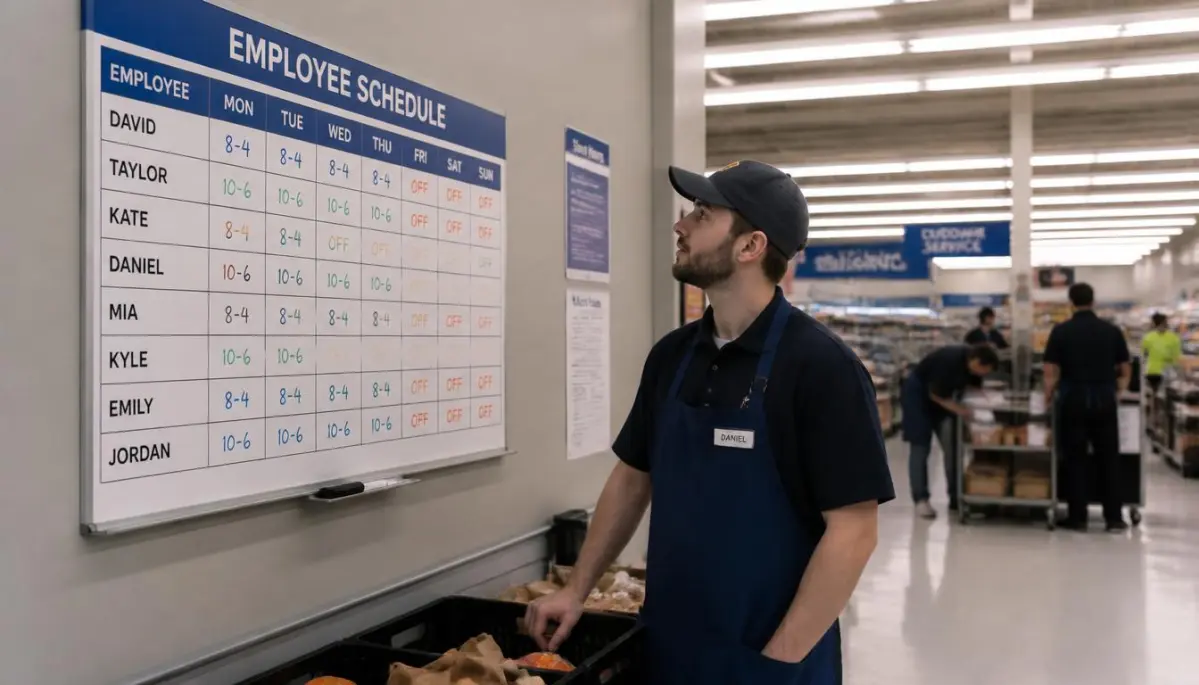
A practice long tied to dating is now surfacing in hiring processes, as the job market experiences a period of slower movement.
Looking for a job is no longer simply about finding a vacancy, going through an interview, and waiting for a response. The way young people relate to companies is evolving, and a practice once linked to dating is beginning to appear in recruitment processes.
We are talking about the so-called “ghosting,” when a person stops replying and cuts contact without offering an explanation. In the case of the Gen Z, some hiring managers are observing this behavior even after moving forward in interviews or receiving a job offer.
They Accept and Then Disappear
The behavior can take different forms. Some candidates accept a job offer and then stop responding. Others do not complete the necessary onboarding paperwork or simply do not show up on the first day.
For those on the other side of the process, the situation is particularly challenging because the company has already invested time in interviews, screening, and administration before the candidate vanishes.
A Resume.org survey cited in the information notes that 54% of hiring managers have been ignored by Gen Z candidates after formally being offered a position.
The figure helps explain why the topic is starting to attract attention among those seeking personnel.
What Is Behind It?
Mary Julia Koch, associate editor of the Wall Street Journal’s Freedom of Expression section, spoke about this trend on “Varney & Co.” and linked the behavior to economic and cultural factors affecting young adults.
Among them she mentioned the cost of housing and inflation, two pressures that have complicated some of the milestones traditionally marking the start of adulthood.
Koch noted that many young people were at an age where they would normally have been looking to buy a home when the pandemic arrived. Yet, economic conditions made achieving that objective more difficult.
According to her explanation, this has left some young people with the sense that the system is against them and that they have fallen outside what is traditionally known as the American dream.
A Generation Used to Screens
The economic situation is not the only factor appearing in the explanation.
Koch also pointed out that growing up using text messages and other digital tools may influence how some young people face certain conversations.
Ghosting is closely tied to text-message communication, and, according to her view, that way of relating can spill over into the workplace as well.
A face-to-face interview can feel more uncomfortable for someone accustomed to communicating mainly through a screen. That can lead some young people to find it easier to stop replying than to explain that they no longer wish to continue with a hiring process.
The Job Market Also Matters
The timing of this trend is not minor either.
Koch described the job market as one of “few hires and few layoffs.” In other words, companies aren’t hiring large numbers of workers, but they aren’t letting many go either.
In that scenario, abruptly cutting off communication with a recruiter may be a poor strategy for someone seeking employment.
That is why Koch suggested that, even if a person decides not to accept an offer, they should at least respond to the employer by email.
When an Offer Ends in Silence
The problem for companies arises when the candidate disappears after having progressed almost to the end of the process.
A recruiter may have spent time on interviews, selection, and documentation to onboard someone who ultimately does not respond or show up.
In those cases, the company must restart the search to fill a position it believed was resolved.
The Resume.org survey shows that the phenomenon does not occur only after an offer. There are also recruiters who report cases of candidates who stop responding during other stages of the process.
A Pressure That Goes Beyond Employment
The “ghosting” in the workplace appears amid an economic situation that has complicated some of the goals of young adults.
The price of housing and inflation have affected many workers’ ability to move toward decisions such as buying a home or planning long-term.
Koch believes that these difficulties have contributed to some young people feeling discouraged about their economic prospects.
That does not mean that all the Gen Z act in the same way, nor that the economic situation explains the “ghosting” by itself. What the phenomenon shows is that a behavior long associated with dating is also appearing in the relationship between candidates and companies.
What It Means for Job Seekers
Changing one’s mind about a job can happen. Another opportunity may arise, or personal circumstances may change.
But there is an important difference between turning down an offer and simply disappearing.
Responding to the recruiter allows for the process to end professionally and keeps an open relationship that could be useful in the future.
In a job market with few hires, that contact can be more valuable than it seems.
Thus, ghosting in the workplace is becoming a new focal point for employers, as young people face a job market marked by economic pressures and an increasingly digital mode of communication.