- Key Points
- What are repurchase agreements?
- Practical example of a repurchase agreement
- Types of repurchase agreements
- Why are repurchase agreements so important?
- Repos and the Federal Reserve
- Risks and advantages of repurchase agreements
- How repurchase agreements affect consumers
- Conclusion
- FAQs
- Who participates in repurchase agreements?
- What is the difference between a repo and a traditional loan?
- What risks do repurchase agreements carry?
- How do repos affect ordinary consumers?
- Sources
In the world of finance, there are operations that, while not usually making headlines, are essential to maintaining liquidity in the financial system. One of them is the repurchase agreement, known in English as a repurchase agreement or simply repo. This instrument is used daily by banks, investment funds, and even the United States Federal Reserve to manage money flow and ensure market stability.
But what exactly is a repurchase agreement, and how does it influence the U.S. economy? In this article, we will examine its definition, mechanics, participants, and significance, especially in a macro environment where policymakers balance interest rates, inflation, and credit conditions.
Key Points
¿Qué son los acuerdos de recompra?
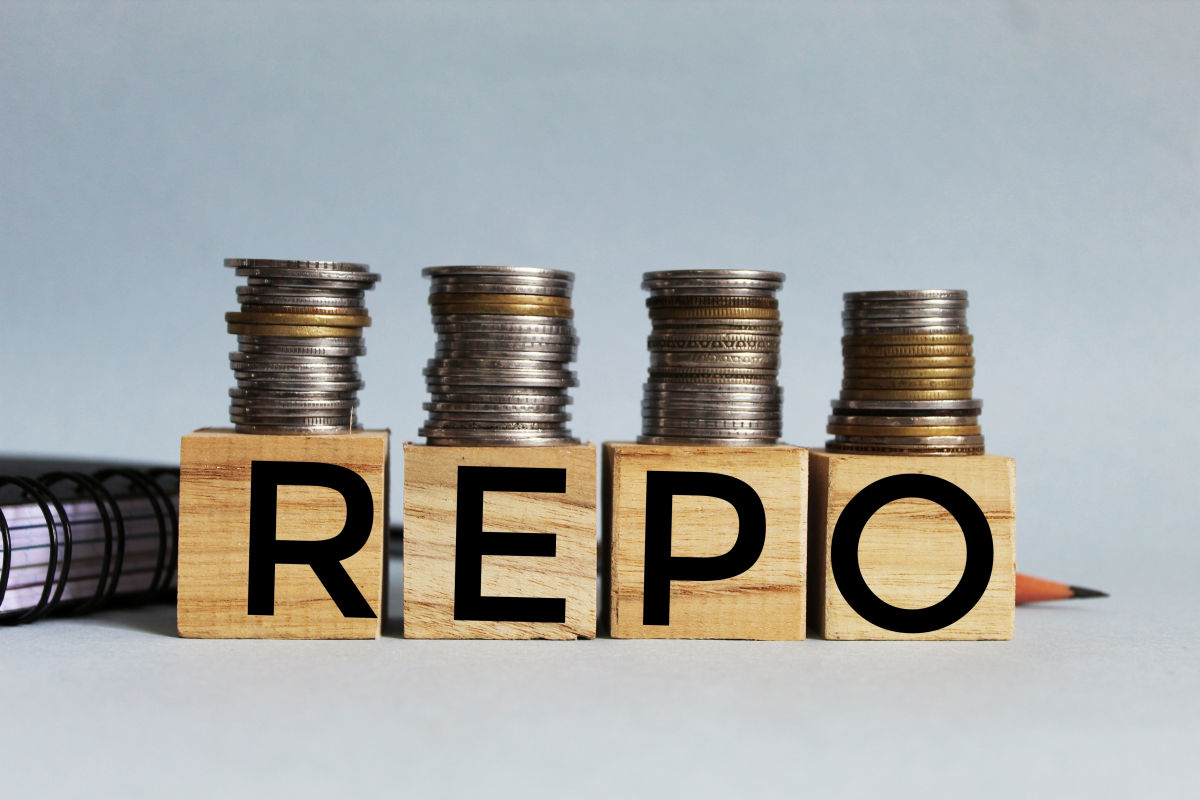
A repurchase agreement is a short-term financing transaction in which a party—typically a bank or financial institution—sells securities, such as Treasuries, to another party with a commitment to reacquire them later at a slightly higher price.
In simple terms, the seller receives cash immediately (providing liquidity), while the buyer holds collateral backed by the acquired securities. At the end of the arrangement, the seller rebuys the same securities, paying a bit more than the original sale price. The difference between the sale and repurchase prices represents the interest or return of the agreement, known as the repo rate.
This mechanism offers a safe and temporary form of financing, as these operations typically last from one day to a few weeks.
Practical example of a repurchase agreement
Imagine a bank needs funds to cover near-term obligations but does not want to sell its assets permanently. Instead of taking out a traditional loan, it can enter into a repurchase agreement with another financial institution.
Although it may seem like a simple transaction, this type of operation moves billions of dollars daily in the U.S. financial system.
Types of repurchase agreements
Repurchase agreements can be classified based on their duration and contractual structure:
The choice of repo type depends on the seller’s liquidity needs and the buyer’s investment strategy.
Why are repurchase agreements so important?
Repos are fundamental to the stability of the financial system. They allow banks to obtain immediate funds without permanently selling their assets, and they offer investors a safe short-term place to put their money.
Additionally, repurchase agreements help:
The Fed uses repos and reverse repos as tools to influence the amount of money available in the financial system. For example, when it aims to inject liquidity, it purchases securities with a promise to sell them later (a repo). When it aims to reduce money in circulation, it does the opposite operation (a reverse repo).
Repos and the Federal Reserve
The market for repurchase agreements in the United States is one of the largest and most active in the world. The Federal Reserve participates directly in this market to maintain control over the money supply and short-term interest rates.
During periods of economic stress, such as the 2008 financial crisis or the 2020 pandemic, repos became a vital tool to prevent banks from running out of liquidity. The Fed expanded its repo operations to provide rapid financing and avert a credit collapse.
Today, the Federal Reserve maintains a program of permanent and temporary repurchase operations, with the aim of keeping the key policy rate stable and preventing financial imbalances.
Riesgos y ventajas de los acuerdos de recompra
Although repos are considered low-risk instruments, they are not immune to vulnerabilities.
Ventajas:
Riesgos:
How repurchase agreements affect consumers
Although they may seem distant from the average citizen, repurchase agreements have a direct impact on the real economy. When the financial system is liquid and stable, banks can offer lower interest rates on loans and credit cards, and companies can obtain financing more readily.
Conversely, when there are strains in the repo market, liquidity tightens and interest rates tend to rise. This can translate into higher financing costs for households and businesses, affecting consumption and investment.
In short, repurchase agreements are a quiet but crucial part of the U.S. economic machinery.
Conclusion
Repurchase agreements are among the most important yet least visible pillars of the modern financial system. They function as a temporary financing source that allows institutions to sustain day-to-day operations while also providing a low-risk investment environment for money market funds.
Through these agreements, the Federal Reserve can adjust the money supply and influence short-term interest rates, which in turn affects prices, credit, and economic growth.
For consumers, understanding the role of repos helps explain how decisions in financial markets ultimately influence everyday life: from the cost of a mortgage to the return on a savings account.
Ultimately, repurchase agreements demonstrate how the flow of money between institutions can support the economic stability of an entire country, becoming an essential tool for the smooth functioning of the U.S. financial system.
FAQs
¿Quiénes participan en los acuerdos de recompra?
The main participants are banks, investment funds, financial institutions, and the United States Federal Reserve. These entities seek immediate liquidity or safe short-term investments.
¿Qué diferencia hay entre un repo y un préstamo tradicional?
Unlike a loan, a repo is secured by collateral such as securities. This lowers the risk for the buyer and typically allows lower interest rates and very short-term transactions.
¿Qué riesgos tienen los acuerdos de recompra?
The main risks include counterparty risk, market risk, and systemic risk, though these instruments are considered low-risk because of the collateral backing the securities used.
¿Cómo afectan los repos a los consumidores comunes?
Although repos are transactions between institutions, they influence the real economy by impacting interest rates on loans, credit cards, and corporate financing, thereby indirectly affecting costs for households and businesses.