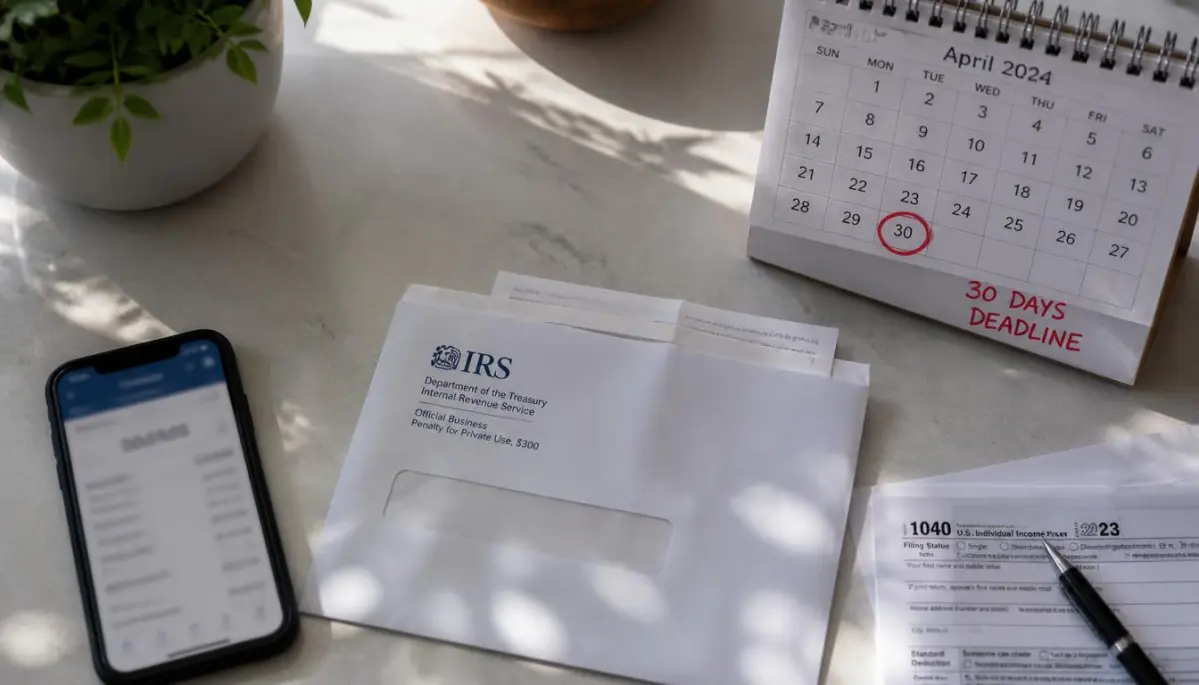
If the Internal Revenue Service sent you a CP53E notice, it doesn’t mean you’ve lost your tax refund. But it isn’t a letter you should tuck away and forget about either. You typically have 30 days from the date of the notice to update your banking information and prevent the process from dragging on.
The new notice is part of the changes the federal government is implementing to electronic payments. And for many taxpayers, especially those counting on that money to cover household expenses, a delay of several weeks can have real consequences.
Why did you receive an IRS CP53E notice?
The IRS may send you this notification when your return shows that you’re entitled to a refund, but it cannot complete the direct deposit.
Among the reasons are:
The notice does not mean the IRS has rejected your tax return. The money remains pending while you decide how you want to receive it.
What should you do if you receive the CP53E?
Here, acting quickly is wise. The IRS states that you have 30 days to sign into your Online Individual Account and provide or update the banking information.
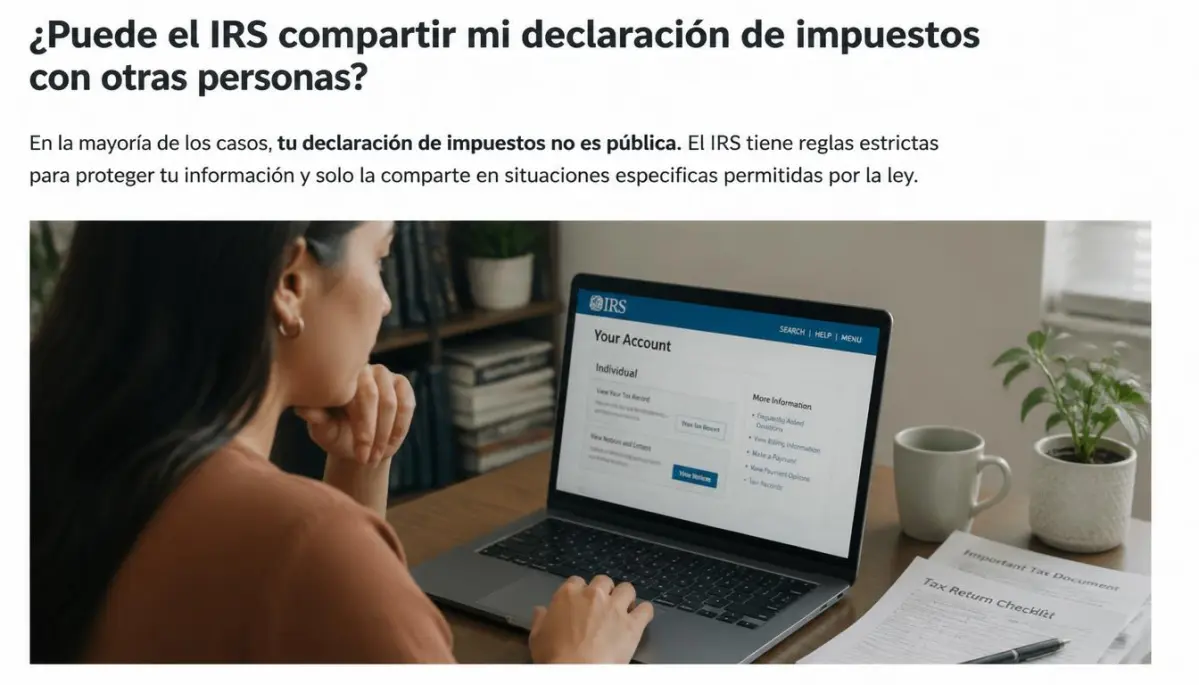
You should log into your IRS account and look for the option related to banking information. After that you will need to enter the details of an eligible account to receive the deposit.
The IRS warns that you only have one chance to enter or update that information. If the deposit is rejected again, you won’t receive a second chance with another CP53E, and the refund will be sent by paper check.
Check your Online IRS Account
What happens if you don’t respond to the CP53E notice within 30 days?
If you do nothing, the IRS notes that it will issue a paper check about six weeks after the date of the notice, provided there are no other issues with your return.
That doesn’t mean your refund disappears. It means you may end up waiting considerably longer to have the money in your hands.
And there’s the real issue: when a person relies on that refund to pay rent, utilities, debts, or family expenses, an extra six weeks isn’t a small matter.
How can you tell if the CP53E letter is genuine?
Special care is required here. The Taxpayer Advocate Service has warned about scams related to this notice. The IRS uses postal mail to send the CP53E and will not ask you to provide your banking details via a phone call, text message, or email.
If you receive a message asking you to “activate” your refund or to enter your banking details through a link, don’t do it.
Go directly to IRS.gov and verify your information.
Additionally, the IRS does not allow an employee to update your banking details by phone. That modification must be made from your online account when a CP53E is associated with your return.
What if you don’t have a bank account?
That doesn’t necessarily mean you’ll lose the refund. The IRS contemplates limited exceptions for certain situations and allows some of them to be requested from the online account.
If you received the notice, the most important thing is not to assume it’s a debt or a rejection of your return. It’s a signal that the IRS needs to resolve how to deliver money that already appears as a refund.
In 2026, letting an IRS letter slide can cost you time. Therefore, if you have a CP53E on your desk, those 30 days count.