The lingering uncertainty about the path the pandemic will take despite recent announcements that hint at the possibility of delivering the first COVID-19 vaccines before the year ends, has dampened people’s mood, as the United States records historic levels of infections and deaths during the third wave.
More than nine months after the initial warnings and the recommendations to stay at home and practice social distancing as the coronavirus arrived, the emotional toll on people has surged as the year comes to a close amid the holiday season, making it easy to spot scenes of folks even moving up their home decorating as a morale boost in the face of what is anticipated to be a sadder Christmas, and in many cases, a Christmas far from family.
You may be interested in:
·Artificial Christmas trees you can buy for under $100
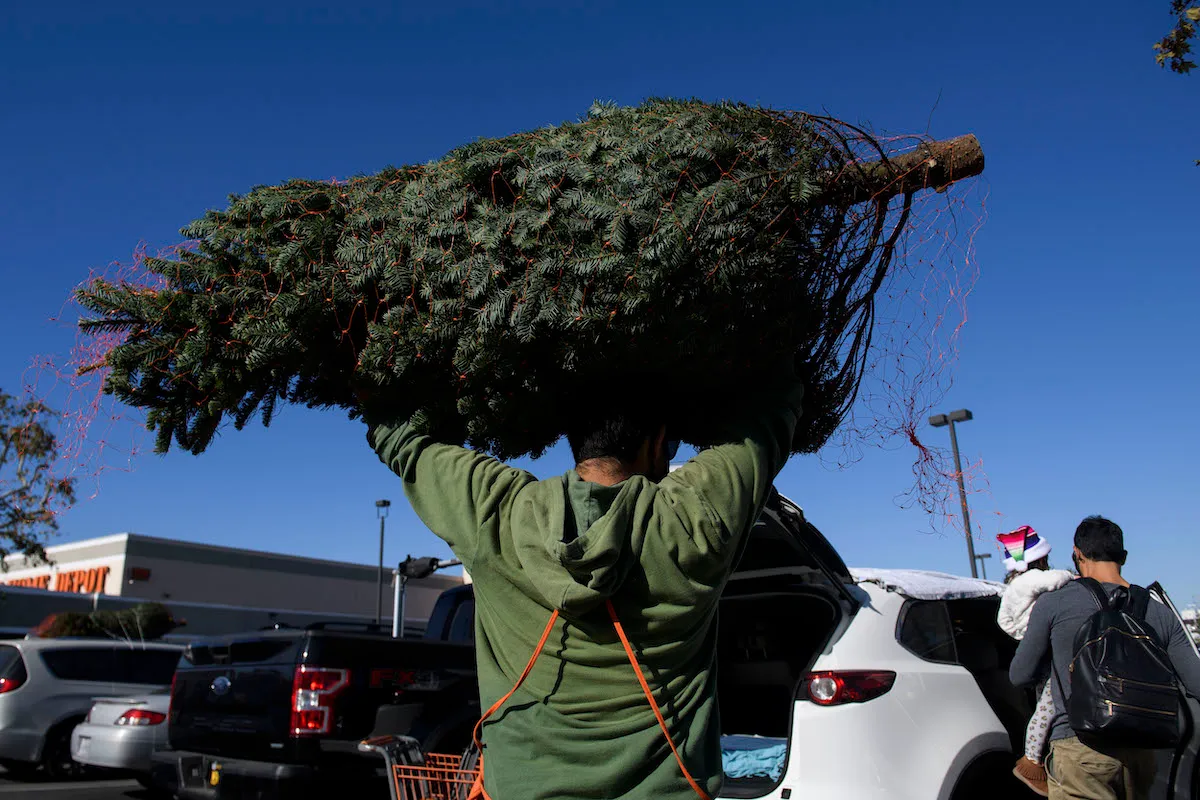
In this climate, the desire to create a more festive atmosphere at home has driven natural Christmas trees to experience an early and unexpected uptick in demand, accompanied by a rise in their prices, a trend that even foresees stock running out ahead of schedule.
According to Fortune, based on data from the National Christmas Tree Association, last year Americans purchased 26.2 million natural trees, spending about $2 billion, which represented an increase from 2018. However, for this year, the average price of a Christmas tree is expected to be around $81, a 7% rise over 2019, and natural trees are gaining ground relative to artificial ones, at least for now.
In line with this trend, a few weeks ago Lowe’s, the home improvement retailer, offered free delivery of Christmas trees for the first time, while its direct competitor, Home Depot, has adopted a more aggressive strategy in selling seasonal decorations.