TYLER, Texas (EAST TEXAS NEWS) – The United States Department of Health and Human Services (HHS) announced that the Centers for Disease Control and Prevention (CDC) are implementing immediate changes to the recommended childhood immunization schedule, classifying some vaccines as appropriate only for certain high-risk groups or advising parents to consult with a physician before vaccination.
Prior to these changes, the United States had recommended that children receive vaccines against 17 different diseases from birth through age 18. The new guidelines now call for 11 vaccines for all children, while the remaining six are recommended only for certain groups.
The new guidelines divide vaccines into three groups:
- Recommended for all children.
- Recommended for certain high-risk groups.
- Recommended based on shared clinical decision-making.
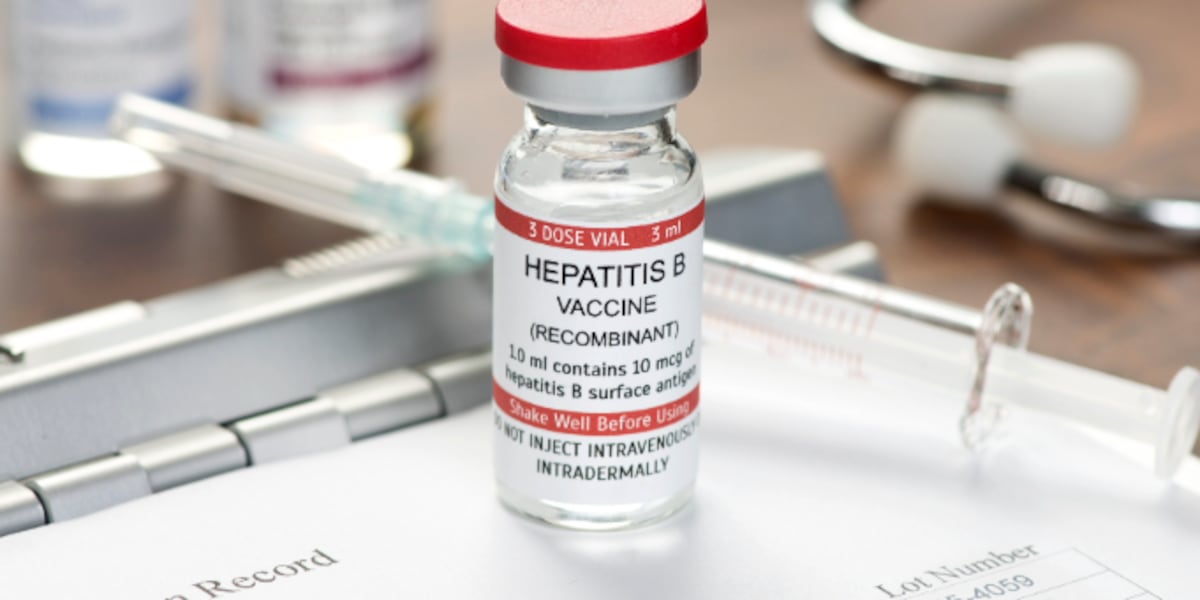
For the “shared clinical decision-making” category, the CDC recommends that parents consult with a physician before deciding whether to vaccinate their children. The vaccines included in this category are COVID-19, influenza, rotavirus, hepatitis A, hepatitis B, and meningococcal vaccines.
Vaccines categorized for “certain high-risk groups” include hepatitis A, hepatitis B, certain meningococcal vaccines, RSV, and dengue.
Vaccines still recommended for all children include DTaP (diphtheria, tetanus, and pertussis), MMR (measles, mumps, and rubella), varicella, HPV, Hib (Haemophilus influenzae type b), and PCV (pneumococcal conjugate vaccine).
These changes follow a presidential memorandum dated December 5 from President Trump, directing HHS and the CDC to examine how other “similar countries” manage their vaccination schedules.
In that statement, President Trump compared the U.S. vaccination schedule with those of Denmark, Japan, and Germany, noting that the United States had more vaccination recommendations than the other three countries.
In a separate release, HHS stated that insurance coverage for all vaccines recommended by the CDC through last year will continue to be fully covered under the Affordable Care Act and other federal insurance programs. This means that vaccines included in the “high-risk” or “shared clinical decision-making” groups will continue to be covered by insurance.