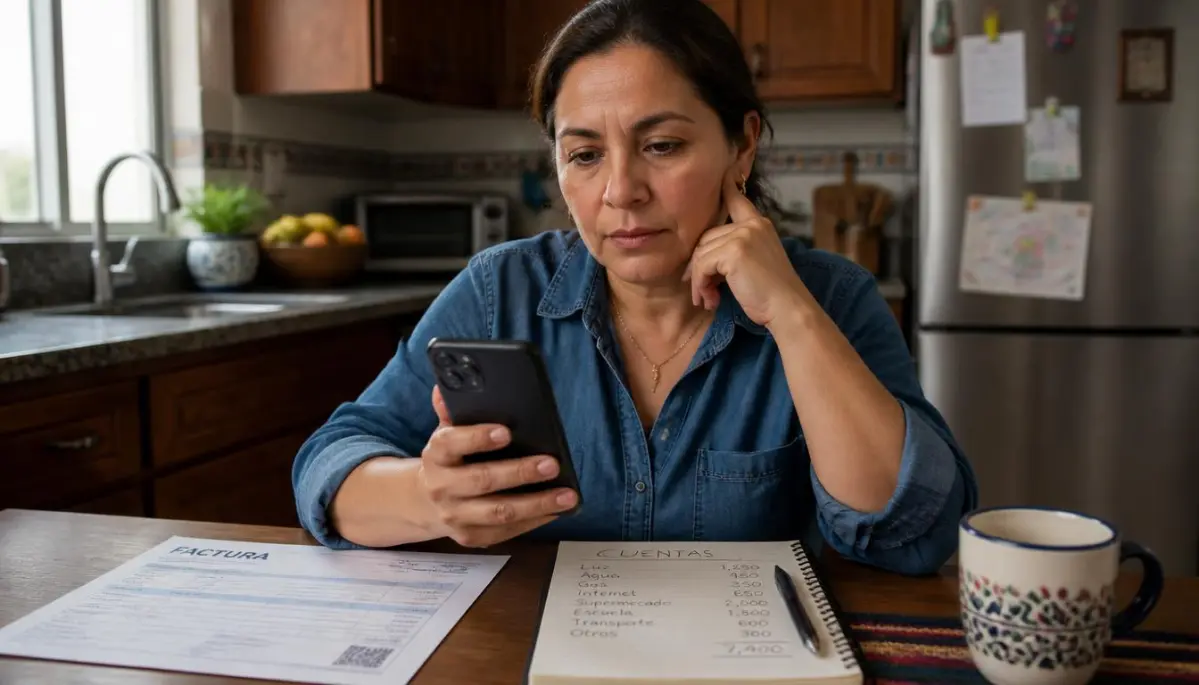
There is a situation that can trigger a small scare: you check your bank account and find that you have less money than you expected, even though you don’t remember making any purchases. Before thinking that someone emptied your account, it’s wise to review which transactions could have reduced your balance.
A fee, an automatic charge, a pending transaction, or even an adjustment made by a merchant can explain the difference. But there is also the possibility that it’s a movement you did not authorize.
Why do you have less money in your bank account?
That your balance has decreased doesn’t necessarily mean you made a recent purchase. The money can leave an account through different kinds of movements, some of which may go unnoticed.
Among the most common causes are:
That’s why, it isn’t wise to assume the money just disappeared.
Can an account charge you even if it has a zero balance?
Yes, depending on the account terms.
In Mexico, for example, the National Commission for the Protection and Defense of Financial Service Users (Condusef) warns that leaving a savings account at zero does not constitute formal cancellation. If the contract establishes a fee for not maintaining a minimum average balance, charges could be incurred.
For readers who have accounts in the United States, the key point is different: check the specific conditions of your bank and your account type. Fees, balance requirements, and rules about inactive accounts can vary.
Esto también explica por qué algunas personas se sorprenden al descubrir que su cuenta no está realmente “cerrada” solo porque dejaron de utilizarla.
What should you check if your balance dropped and you don’t recognize the movement?
Lo primero es entrar a tu cuenta y revisar el historial completo de transacciones, no solamente el saldo disponible.
Busca especialmente movimientos que tengan nombres desconocidos, cargos recurrentes o cantidades diferentes a las que recuerdas.
También vale la pena comparar el movimiento con tus últimos recibos y suscripciones. Un cobro automático puede producirse varios días después de que hayas olvidado que estaba programado.
Si encuentras un cargo que definitivamente no autorizaste, actúa cuanto antes:
No esperes varios días pensando que el problema desaparecerá solo. Un cargo pequeño también merece atención, especialmente si aparecen varios movimientos similares.
What happens if your account shows a negative balance?
Aquí hay que hacer una distinción importante.
A negative balance can appear after an operation is processed, an adjustment is made, a deposit is reversed, or an automatic payment is returned. The consequences depend on the bank and the account contract.
In some institutions, maintaining a negative balance for a certain period can lead to the closure of the account. Additionally, a subsequent deposit could be used to first cover the amount that remained outstanding.

That’s why, if you see a balance below zero, it isn’t wise to simply ignore it.
And note another scenario: if what appears negative is a credit card, the meaning can be completely different. A negative balance on a card generally represents a credit in your favor, for example, after a refund that exceeds the amount you owed.
How can you prevent your money from decreasing without you noticing?
The best defense is to make reviewing your accounts a routine.
You don’t need to do it for hours. A periodic review can help you quickly detect subscriptions you no longer use, fees, duplicate charges, or movements you don’t recognize.
It’s also advisable to maintain a list of your automatic payments. That way you can know how much should leave your account and roughly when.
Your bank balance doesn’t always tell the whole story at first glance. The available funds can change when a pending transaction is completed or when a previously authorized charge is finally processed.
The next time you see less money than expected, don’t panic right away. Review the movement. If it’s a fee or a legitimate charge, you’ll be able to identify it. But if you don’t recognize the operation, your priority should be to protect the account and report it to the bank.