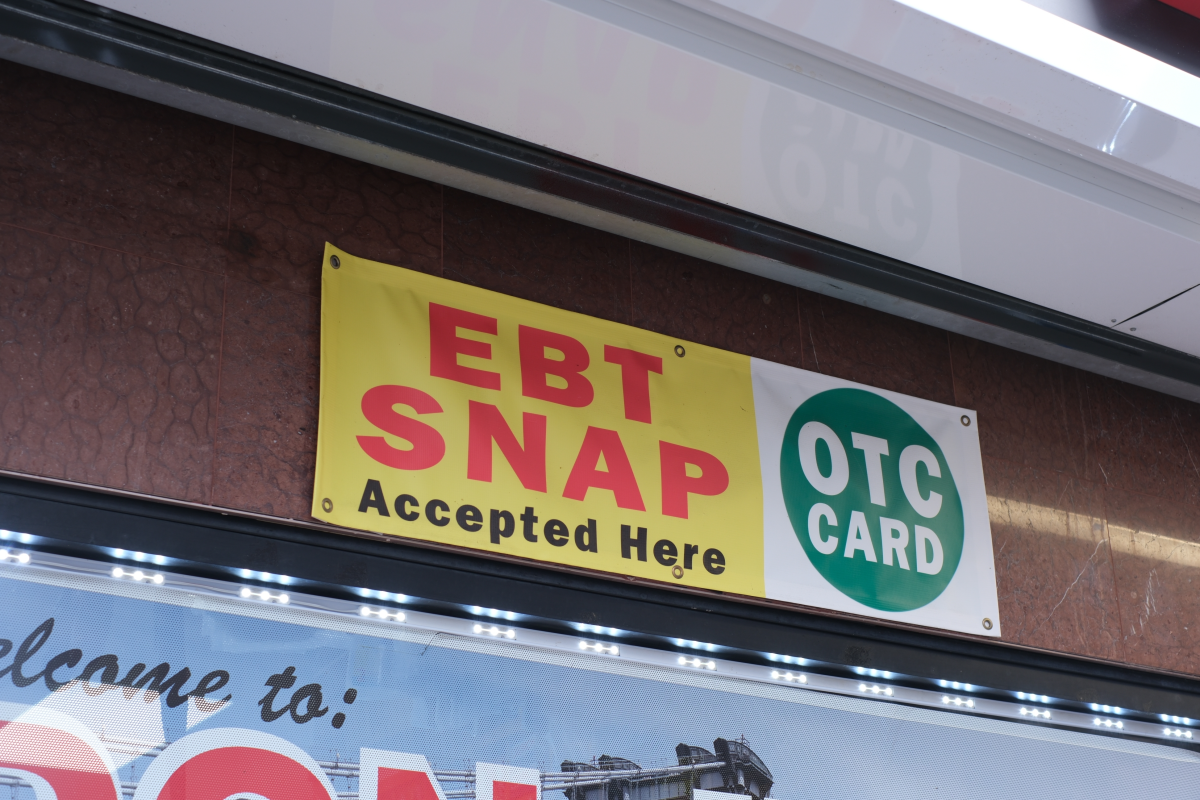
If you use SNAP to buy food, there is a figure that deserves your attention: the federal program recorded barely 36.1 million beneficiaries in July 2026, its lowest level since 2009. In just one year, about 5.5 million people stopped appearing in the statistics. The change is not minor and comes as millions of Hispanic families continue tallying how to stretch the money until the end of the month.
The most recent data from the U.S. Department of Agriculture (USDA) show that food assistance is facing a significant decline. But there is a question that should not be overlooked: how many people stopped needing it and how many were left out due to the new requirements?
How many people receive SNAP in the United States?
In July 2026, SNAP served 36,087,667 people across about 19.6 million households, according to USDA’s official tables.
In July 2025, the program registered around 41.6 million participants. The difference is about 5.5 million people, a reduction of 13.3% in a year.
The Center on Budget and Policy Priorities also documented the drop and warned that federal changes are leaving many families without food assistance.
There is one important detail: the June and July figures are preliminary and may be revised. Also, a decline in the number of participants does not by itself prove that all of those people have lost aid for the same reason.
Why is the number of SNAP beneficiaries falling?
Part of the explanation lies in the new federal legislation passed in 2025. The law expanded work requirements for certain adults, changed some eligibility rules, and shifted new financial responsibilities to the states.
For you, this may translate into more paperwork and conditions you must meet to keep your food stamps.
The federal agency sets broad rules, but state offices administer applications and renewals. Therefore, changes in participation can reflect different factors: people who no longer qualify, beneficiaries who did not complete the required documentation, changes in income, and administrative obstacles.
The Associated Press reported that organizations defending food assistance have warned about families losing benefits for not submitting documents on time or because state systems are overwhelmed. There are also cases of people who no longer need the program as their incomes improve.
It would not be correct to attribute the entire drop to a single cause. But it would also be unwise to assume that all households that disappear from the statistics no longer need help.
What should you do if you receive SNAP benefits?
If you depend on this assistance, don’t wait for a problem with your EBT card to appear. Review your state’s communications and confirm that your case remains active.
These steps can help:
If you received a suspension or denial notice, ask what the reason was and what options you have to request a review or file an appeal.
The SNAP decline also affects the family budget
Losing the food stamps doesn’t simply mean you stop receiving a card with a balance. For many households, it means pulling money from other budget items to buy milk, fruit, meat, and basic goods.
When the budget is already tight, that extra expense can end up affecting rent payments, electricity bills, or medications.
Therefore, the SNAP decline deserves more than a statistical reading. That there are fewer people enrolled does not automatically mean there is less need for food assistance. If you receive these benefits, your priority should be to confirm you still meet the rules and respond on time to any notice. Do not assume your assistance will continue without paperwork, especially at a time when federal requirements are changing.