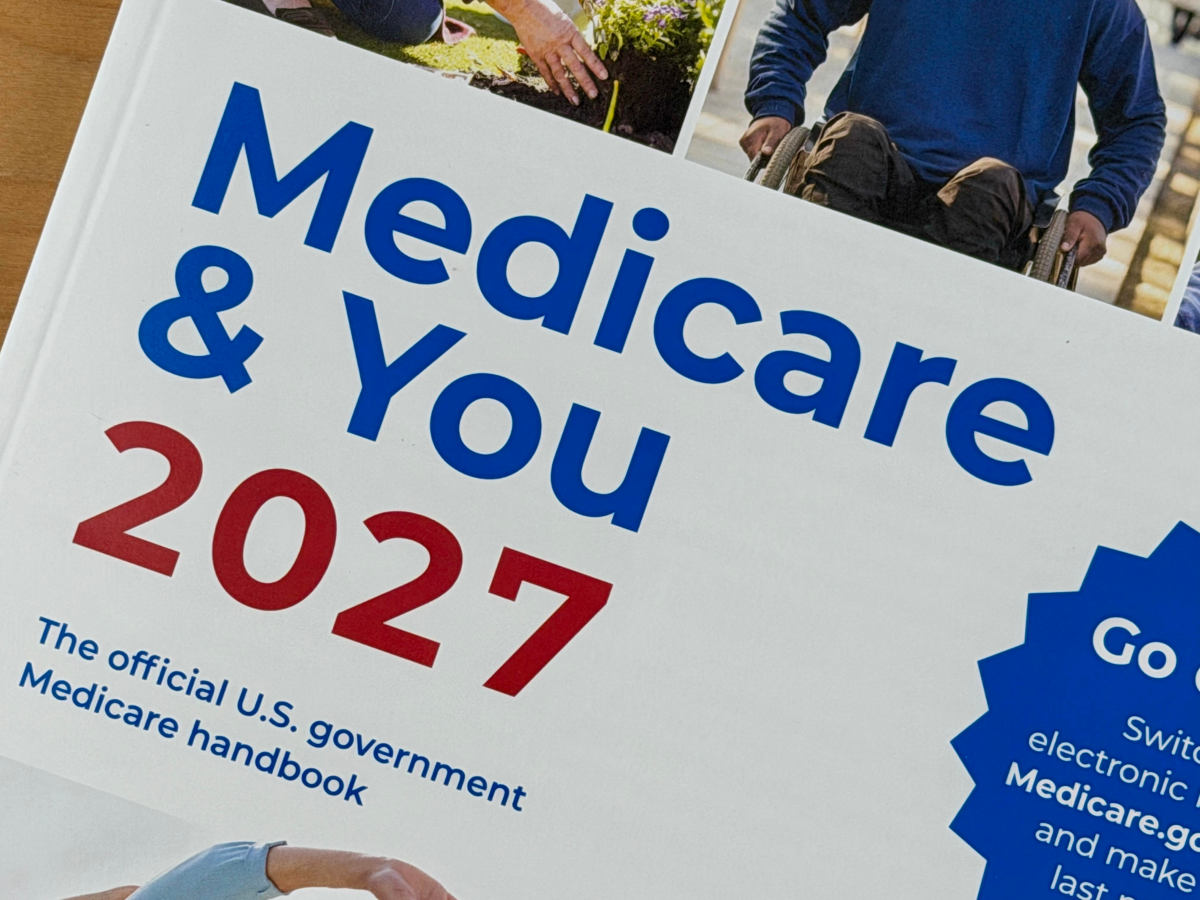
If you receive Social Security benefits and you have Medicare, there is a change you need to include in your 2027 budget. The standard monthly premium for Medicare Part B will rise to $209.40 dollars, up from the $202.90 you paid in 2026. It might seem like a small difference, but it will add up when combined with other medical costs that are also set to climb next year.
The adjustment was announced by the Centers for Medicare and Medicaid Services (CMS). It arrives just as millions of retirees anticipate a 3.6% bump in their Social Security benefits. The issue is that part of that extra money will be absorbed by rising health care costs.
How much will you pay for Medicare Part B in 2027?
The standard Medicare Part B premium will climb by $6.50 per month. This equates to an additional $78 over the course of the year for those paying the regular rate.
Part B covers medical visits, outpatient services, laboratory tests, certain home health care services, and medical equipment.
But the premium isn’t the only expense that will change. According to CMS figures, the annual deductible for this coverage will rise from $283 to $292. In other words, you’ll have to pay $9 more before Medicare begins to cover the relevant services. The agency explained that the increases mainly reflect the projected rise in health care spending. You can review the new values in CMS’s official announcement.
How much money will you have left from the Social Security increase?
The Social Security Administration (SSA) confirmed a cost-of-living adjustment (COLA) of 3.6% for 2027. The average boost will be about $75 more per month for retired workers.
However, if you’re paying the standard Medicare Part B premium, you’ll need to allocate an extra $6.50 each month to that coverage.
In a sample based on official averages, of the extra $75 Social Security increase, you would have about $68.50 left after accounting only for the rise in Medicare Part B.
That does not guarantee that every retiree will see that exact amount. Your increase will depend on the benefit you currently receive and on any other deductions that might apply to your payment. The SSA explains the changes in its official COLA guide for 2027.
Will Medicare Part A also become more expensive?
Yes, although not everyone will pay a monthly premium for this coverage.
Medicare Part A covers hospital admissions, care in skilled nursing facilities, some palliative care, and certain home health services.
According to CMS, roughly 99% of beneficiaries do not pay a monthly premium for Part A because they have enough quarters of employment covered by Medicare.
For those who must purchase this coverage, the costs will be:
Additionally, the Part A hospital deductible will rise from $1,736 to $1,776 per benefit period.
Why should you review your Medicare costs before 2027?
It’s not enough to just look at how much your Social Security check will increase. You also need to review how much you’ll pay for doctor visits, hospital stays, and medications.
If your income is higher, the Medicare Part B premium could exceed $209.40. For 2027, individuals with individual incomes above $112,000 or joint incomes above $224,000 could face additional charges.
You should also review your Part D drug coverage and compare the options available before the open enrollment period ends on December 7.
The gap between the announced increase and the money you ultimately have available can be significant. If your budget depends on every dollar, reviewing your premiums and deductibles now can help you avoid surprises when the new charges kick in in January.