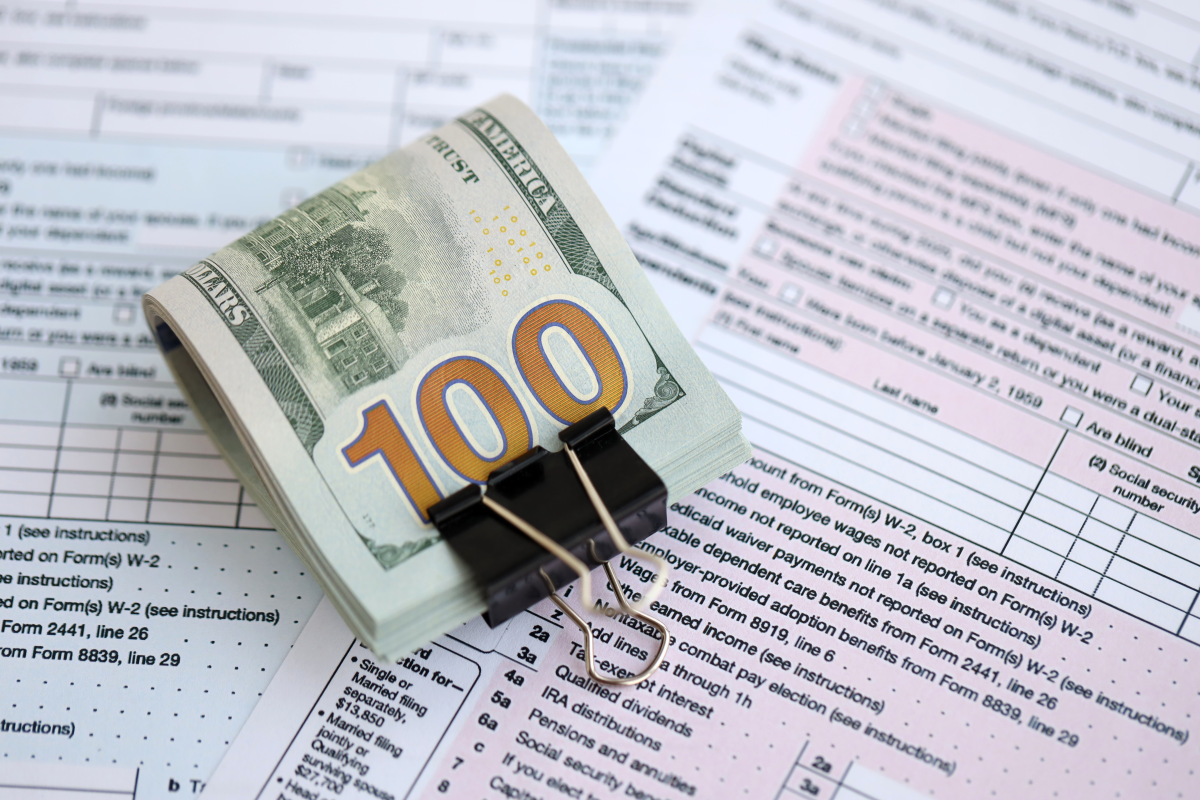
Receiving a letter from the Internal Revenue Service (IRS) doesn’t necessarily mean you have a tax problem. For some families in the United States, the mail could bring a different kind of news: a refund they didn’t have to request.
The IRS began issuing automatic payments to more than 50,000 taxpayers who had unused adoption tax credits. The adjustment can amount to up to $5,000 per eligible child, though that amount isn’t guaranteed for everyone.
The agency explained in its official statement dated October 16, 2026 that it expects to complete most refunds before the year ends. The measure responds to a new interpretation of the tax rules for the 2025 tax year.
Why is the IRS sending money without a new request?
The money comes from the adoption tax credit. Previously, when a family couldn’t take full advantage of that benefit because they had little federal tax liability, they could carry the unused balance forward to future years, within certain limits.
That meant that some families had an available credit on their returns, but couldn’t convert it into cash they could receive directly.
Now, the Treasury Department clarified that, only for the 2025 tax year, certain balances of accrued adoption credits from 2020 to 2024 can increase the refundable portion of the benefit. The cap is $5,000 per eligible child.
In other words, this isn’t a new stimulus check for all households. It is a targeted tax adjustment for taxpayers who meet specific conditions.
Who can receive the IRS’s automatic refund?
According to the IRS’s official Q&A about the adoption credit, you are generally among the eligible if:
Each family’s situation matters. You won’t automatically receive $5,000 just for adopting a child. The amount depends on the credit you still had available and the adjustment that applies to your account.
If you filed your return with an extension or your account has identity theft alerts, holds, or other pending issues, the IRS says it will review those cases later, once the issues are resolved.
Do you have to fill out a form to claim the money?
If the IRS has already identified your return as eligible for this adjustment, you do not need to file an amended return solely to receive the additional refund. The agency will update your account and send you a notice, usually within 30 days after the adjustment.
Still, it’s advisable to review your individual IRS account and compare any notice with your 2025 return. Save the letter for your records.
Also keep in mind that the money might not come in full to your pocket. If you have certain past-due tax debts or other obligations subject to federal offsets, the IRS may apply part or all of the refund to those debts. The notice should explain what happened with the adjustment.
What should you do if you think you’re owed?
Do not pay anyone to get this money for you. The automatic process described by the IRS does not require a fee. If you have questions about your adoption credits history, review the official instructions or consult a tax professional who can review your prior returns.
The date also matters: this special treatment applies to the 2025 tax year. Therefore, if your family carries an adoption credit from previous years, reviewing your documents now can help you determine whether the adjustment was applied correctly or if you need additional guidance.