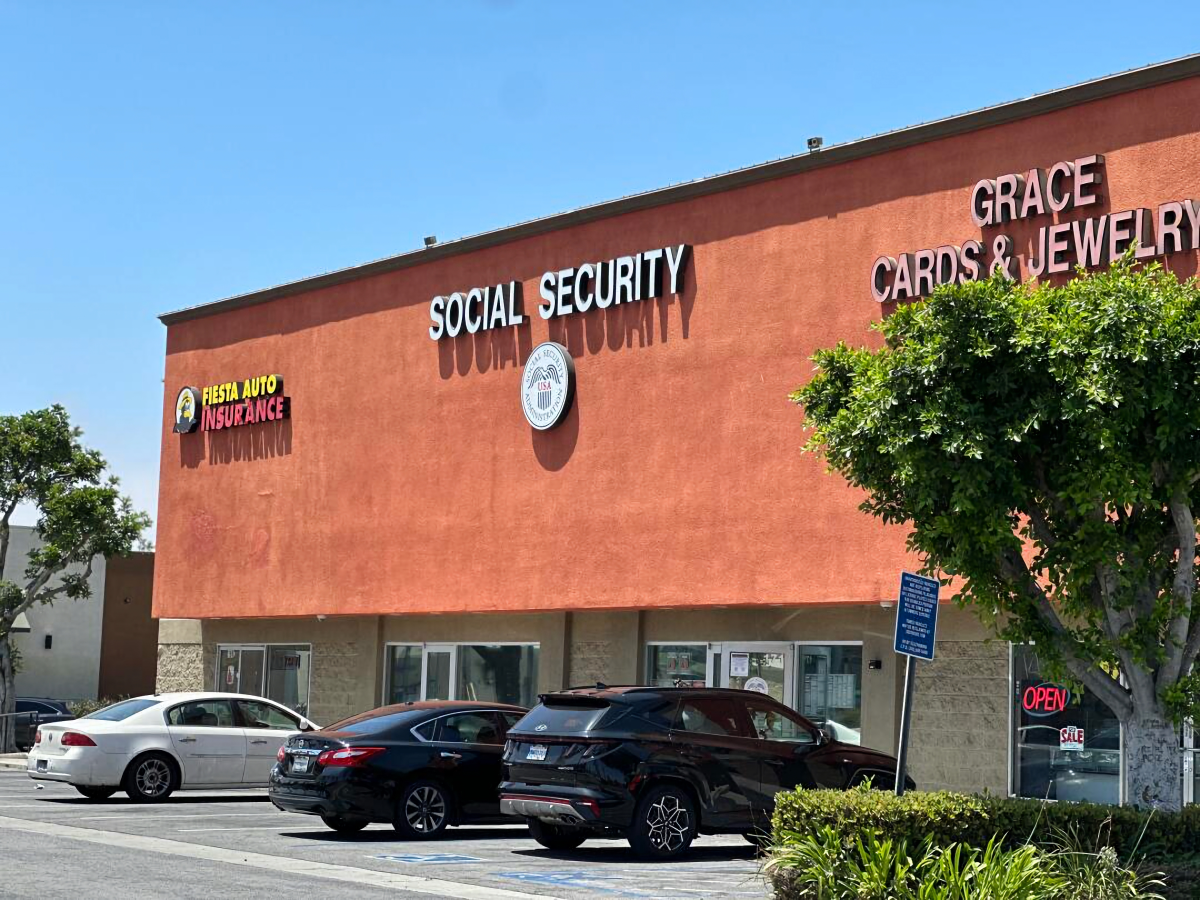
The Social Security Administration (SSA, for its English initials) is implementing two new technological systems that will transform the way more than 1,200 local offices across the United States handle claims and schedule appointments. The change, which has already begun to be rolled out gradually, aims to modernize service and reduce staff workload, but it also raises questions among millions of beneficiaries, including many Hispanics.
These new models arise from a controversial initiative: the closure of local offices and the reduction of in-person service, with the goal of pushing both employees and beneficiaries to use digital platforms.
What are the SSA’s new systems?
According to information published by Yahoo News, the SSA is rolling out:
The agency says these changes will enable more efficient service, though it acknowledges that the transition process could bring about temporary adjustments.
How will this affect your Social Security benefits?
The SSA states that monthly payments will not be reduced or directly altered by these systems. However, the impact could be felt in:
For many beneficiaries, especially older adults who prefer face-to-face service, the change represents an additional challenge.
Fewer Offices, More Technology
The SSA’s strategy targets getting more people to use:
Although this can speed up simple transactions, advocacy groups for older adults warn that not all beneficiaries have reliable internet access or digital skills, a problem common in Latino and rural communities.
What do experts recommend?
If you rely on Social Security, it’s key:
The SSA maintains that, once implementation is completed, beneficiaries should experience fewer delays and better tracking of their claims.
A change that is here to stay
Although modernizing Social Security was inevitable, the challenge will be to ensure that no one is left out. For millions of Hispanics in the United States, Social Security is not just a procedure: it is a vital income. Understanding how these new systems work will be key to protecting their benefits.