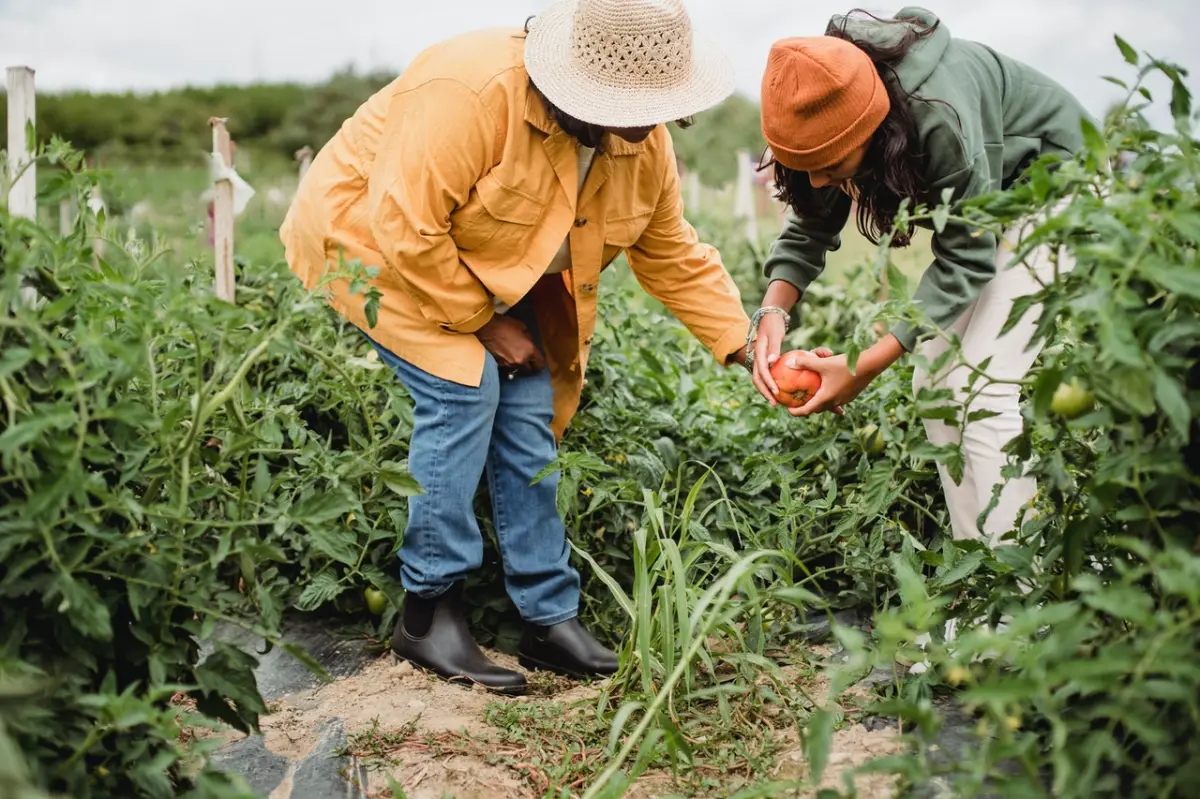
Rising diesel prices are weighing on the finances of U.S. farmers just as they need machinery and fuel to harvest their crops. To ease part of that pressure, President Donald Trump announced an $8 billion economic relief package for the agricultural sector.
The initiative is named the Harvest Fuel Relief Program and will be overseen by the United States Department of Agriculture (USDA). According to the government’s official statement, the funds will be distributed through one-time payments designed to offset a portion of the losses estimated for the 2026 farming year.
The figure is substantial, but there is an important caveat: it does not mean every farmer will receive the same amount, nor that the government will cover all of their fuel expenses.
Who Can Receive Trump’s Economic Aid?
The program aims to assist U.S. agricultural producers affected by rising costs and market disruptions. The administration will use a formula to calculate the payments, incorporating data on planted acreage and official estimates of production costs, yields, and crop prices.
The USDA said payments will be administered by the Farm Service Agency (FSA). However, the specific payment rates for the covered crops will be announced in November, while the criteria for other eligible categories will be announced later.
For now, if you work in the agricultural sector or run a family farm, it is worth checking the updates on the FSA’s official site. There you can review program information as rules and participation details are published.
The government also clarified that crop insurance will not be a prerequisite to participate in this initiative. That does not remove the need to review the requirements applicable to each type of production.
Why Did Trump Announce $8 Billion for Farmers?
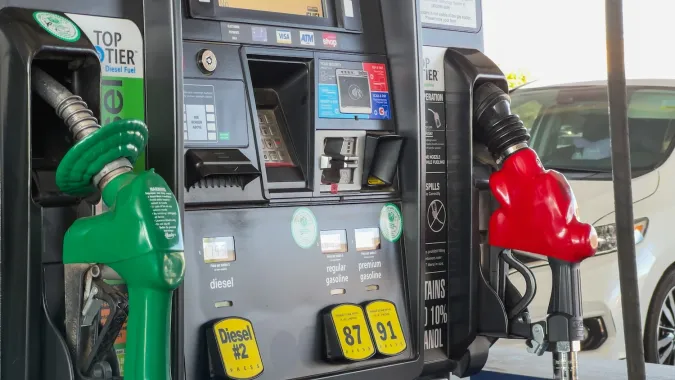
Fuel has become a hard cost to bear. According to Yahoo Finance, the national average price of diesel hovered around $6.32 per gallon on October 20, after reaching an all-time high in September.
For a farmer, fuel is not a secondary expense: it powers tractors, combines, and other essential equipment. When prices rise, it can also raise the cost of transporting products and pressure other production costs.
The problem doesn’t end on the field. If producing and transporting food costs more, companies may pass some of those increases on to the prices paid by consumers. That doesn’t automatically mean the relief will reduce grocery bills, but it does illustrate why agricultural conditions can spill over into family budgets.
When Will the Payments Arrive and How Much Will Each Farmer Receive?
The announcement provides for one-time payments, but the exact amount each producer will receive cannot be determined yet. The total will depend on the official formula and the criteria applicable to each crop.
The program will be funded through the Commodity Credit Corporation, an entity affiliated with the USDA. The aid aims to cover a portion of the losses estimated for the 2026 agricultural year, not necessarily reimburse every dollar spent on diesel.
There is also a political backdrop that cannot be ignored: Trump unveiled the measure during a campaign event in Kansas, just weeks ahead of the November midterm elections. The announcement responds to real economic pressure on farmers, but arrives at a moment when rural community support carries substantial electoral weight.
For now, the key question is not merely how much money Washington will allocate, but what share of costs can be offset and how quickly aid will reach those in need. The payment rates to be published in November will help gauge the measure’s real reach.