KILGORE, Texas (EAST TEXAS NEWS) – Lori George-Richard, counseling coordinator at Kilgore College, works with many students grappling with mental health challenges, and more specifically, suicidal thoughts.
They are not alone. Nationally, about 5% of adults, 20% of high school students, and 13% of college students experienced suicidal thoughts last year.
September is National Suicide Prevention Month, and George-Richard wants people to know the warning signs of suicide and the community resources available to help.
The risk of suicide can rise after a major stressor, such as the death of a family member or job loss.
“People may not openly say they have suicidal tendencies,” she said. “They may not use that word. They might say things like: ‘I wish I could fall asleep and not wake up,’ or ‘I feel like a burden to my family and they’d be better off without me.’”
Other warning signs can include someone searching the internet for suicide or methods of suicide, or taking steps to give away their belongings. Other signals include people isolating and withdrawing, or increasing their use of alcohol or drugs.
“If you notice these signs in a loved one, it’s very important to ask,” George-Richard said. A good way to do it is to say: ‘Hey, I’ve noticed you’ve been sleeping more lately,’ or ‘You’ve been crying a lot recently,’ or ‘You’ve been looking up information about suicide online. I’m worried. Can we talk? I’m here to listen.’
George-Richard explained that the goal is to listen and then ask direct questions to see if the person has planned the details.
“The more details they’ve discussed, the higher the likelihood that it will become an imminent risk requiring emergency services,” she said.
One non-clinical tool that can be helpful is the Columbia Protocol, a six-question checklist. This tool helps people determine what to do and whether it’s an emergency.
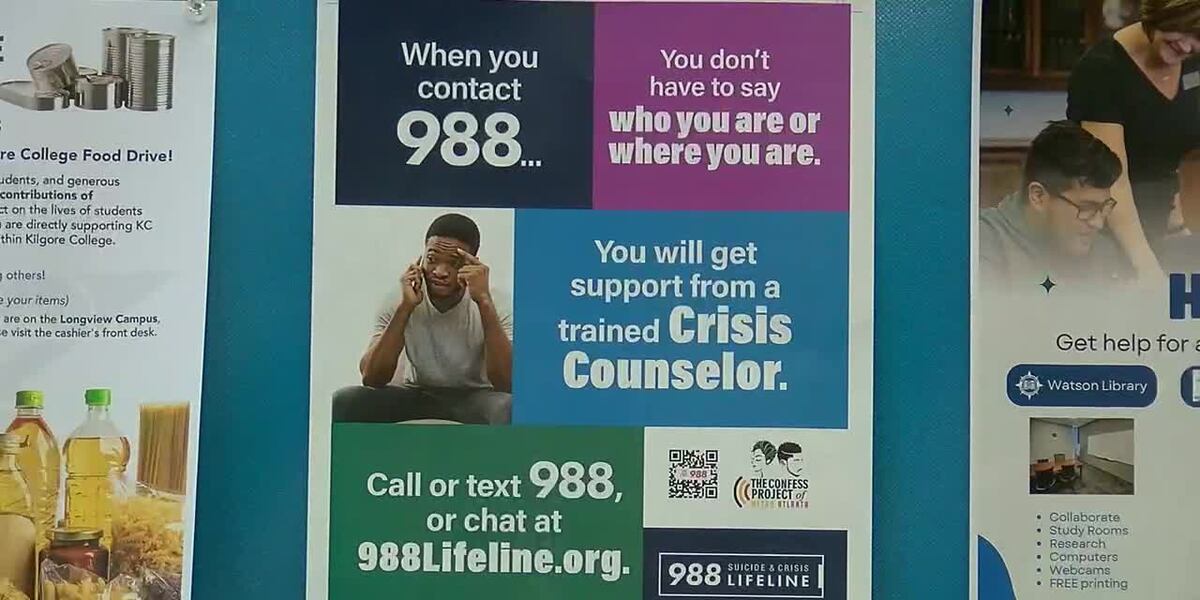
988 is the national suicide and crisis helpline. It’s free and provides access to trained crisis counselors who can conduct a suicide assessment.
In East Texas, Community Healthcore and the Andrews Center also offer mental health and social services.
George-Richard notes that basic human kindness can make a significant difference in someone’s life.
“People facing mental health challenges and suicidal thoughts often feel highly isolated and invisible,” she said. “So simply reaching out to them can make a big difference and, in fact, can deflate the balloon before it bursts.”