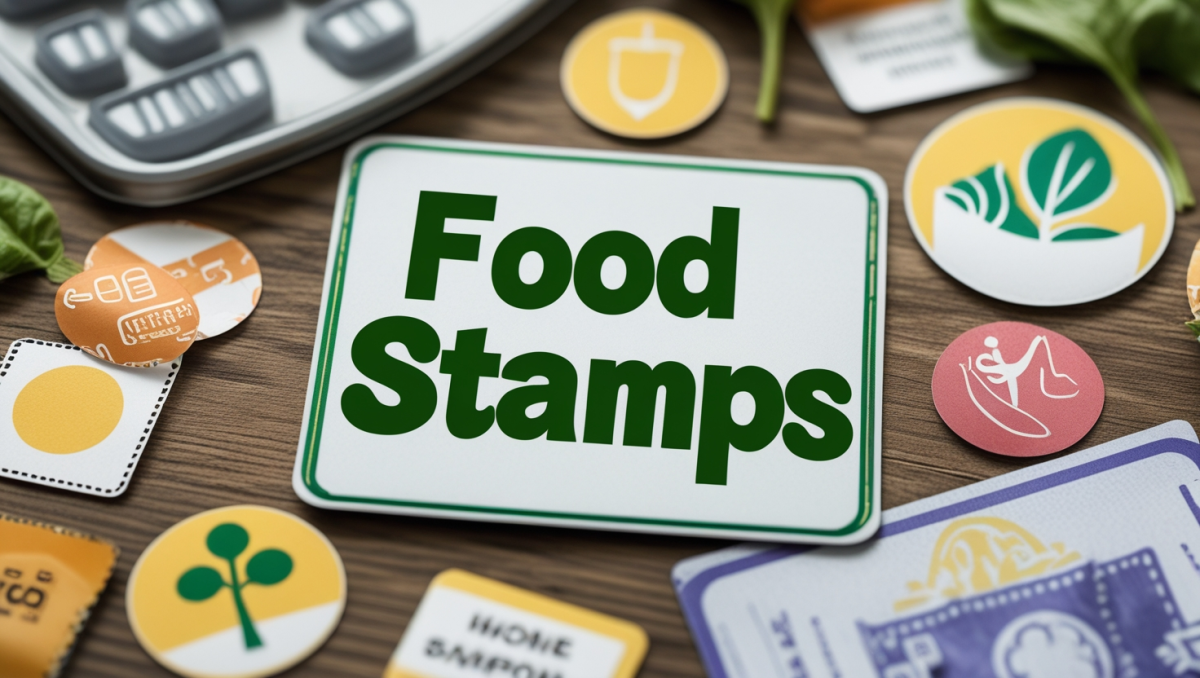
The number of people receiving benefits under the Supplemental Nutrition Assistance Program (SNAP) in the United States continues to fall. Between July 2025 and July 2026, the country shed roughly 5.5 million participants. And now the Department of Agriculture (USDA) is preparing another change that could leave millions more without food stamps.
For Hispanic families who rely on this aid to help cover supermarket costs, the news arrives at a difficult moment: fewer people are receiving assistance and access rules could become even stricter.
How many people have stopped receiving SNAP benefits?
The decline is far from insignificant. According to the Center on Budget and Policy Priorities (CBPP), SNAP participation fell by about 13% between July 2025 and July 2026. The number of beneficiaries reached 36.1 million, the lowest level in 17 years.
The drop occurred across almost the entire country. Alaska was the exception in the national data for the period analyzed. In 48 states, participation decreased by at least about 5%, while eight states posted reductions of around 20% or more.
Some states showed particularly steep declines. Arizona lost about 51% of its participants between July 2025 and July 2026. Florida recorded a 22% drop, while Texas also appeared among the regions with reductions exceeding 20%, according to data analyzed by the CBPP.
You can review the state-by-state figures and changes in CBPP’s national SNAP tracker.
Why is SNAP enrollment decreasing?
It wouldn’t be accurate to assume that millions of families no longer need help buying food. CBPP warns that the drop in participation coincides with changes in federal rules, tougher work requirements, and administrative difficulties for the states.
The organization also notes that national unemployment remained around 4% during the period analyzed. Therefore, it considers it unlikely that the reduction in beneficiaries can be explained primarily by families improving their economic situation.
The impact also reaches children. In 28 states that have data available, the number of kids receiving SNAP fell by 1.5 million since July 2025. CBPP’s estimate suggests the national reduction could be around 2 million.
An analysis by the Georgetown Center on Children and Families also found a strong decline in child food assistance in the studied states.
What new change could leave another 6.3 million people out?
Concerns intensified after Reuters reported on November 10 a USDA proposal to limit automatic eligibility for households receiving cash assistance through TANF.
Currently, some families receiving TANF can access SNAP without having to meet the program’s income limits. The proposal would remove that automatic path and modify the criteria to determine who can receive the coupons.
According to USDA’s own analysis cited by Reuters, the change could affect about 6.3 million people, nearly 18% of current participants. It could also leave 1.8 million children without access to free school meals.
But one thing to keep in mind: the measure is not yet approved. The government opened a 30-day period to receive public comments before moving forward with the process.
You can review the details in Reuters’ report on the USDA proposal.
What should you do if you receive SNAP or need to apply?
The nationwide reduction does not mean that every household has automatically lost the right to receive help. If your family depends on SNAP, it’s wise to check directly with your state’s benefits agency:
The USDA maintains official information about SNAP requirements, applications, and benefits.
Losing food assistance does not always mean that a family no longer needs it. Sometimes a notice never arrived, an application remained incomplete, or a rule changed, and that can be the difference between receiving support and having to cover grocery bills with an even tighter budget.