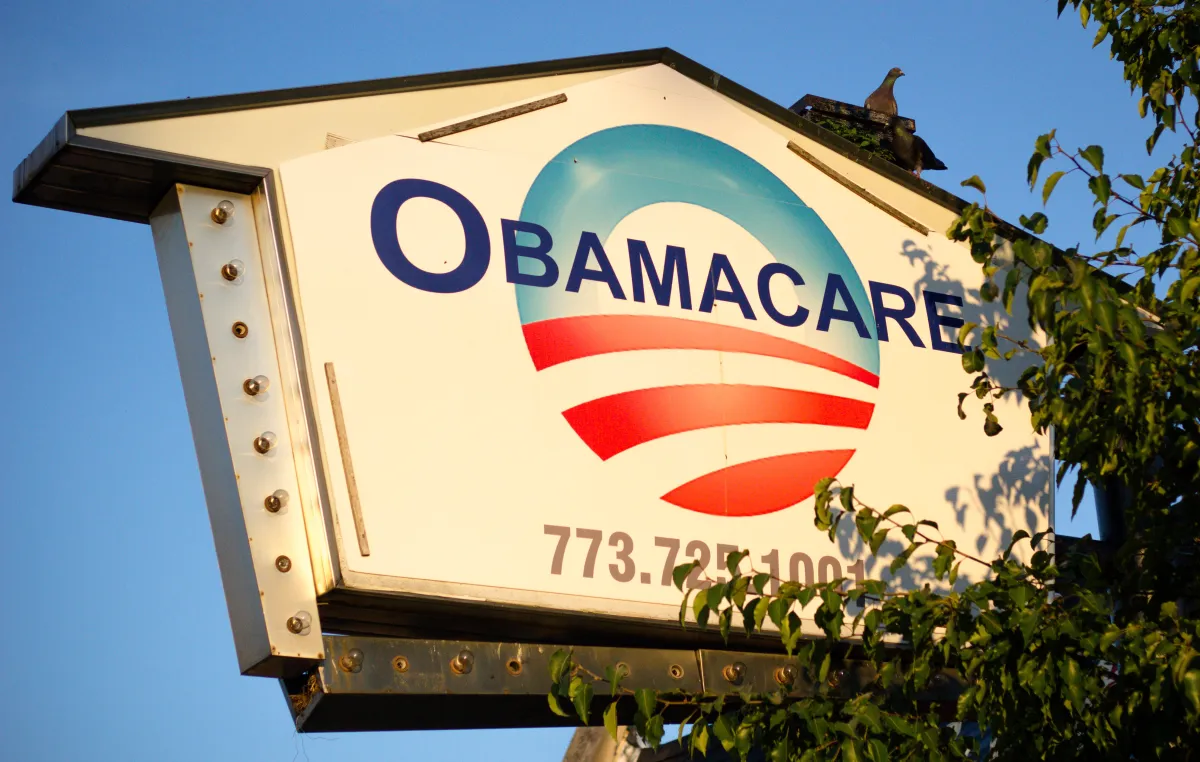
If you purchased health insurance through Obamacare and you’re waiting for a $500 check, there’s something you should know: the U.S. government began distributing these refunds since October, but not every enrollee in the program is entitled to the money.
The administration of Donald Trump announced one-time payments for about 950,000 people in 30 states. The benefit is aimed mainly at those who bought health insurance for 2026 through the federal marketplace HealthCare.gov and paid their premiums without receiving subsidies.
Therefore, if you still don’t find the check in your mailbox, it doesn’t necessarily mean there’s a problem with your payment. First you should verify whether you are part of the selected group.
Who is eligible for the $500 check?
The refund is linked to the premiums that funded the operation of the federal health insurance marketplace. The White House maintains that funds were accumulated and are now being returned to certain consumers.
According to the official announcement dated September 10, 2026, each eligible person will receive $500 in a single payment.
To qualify you must meet mainly these conditions:
Most beneficiaries have incomes above 400% of the federal poverty level. However, some individuals with lower incomes may also qualify if they did not receive subsidies.
Among the participating states are Florida, Texas, Arizona, California is not included, North Carolina, Ohio, Tennessee, Wisconsin and New York does not participate.
The full list includes Alabama, Alaska, Arizona, Arkansas, Delaware, Florida, Hawaii, Indiana, Iowa, Kansas, Louisiana, Michigan, Mississippi, Missouri, Montana, Nebraska, New Hampshire, North Carolina, North Dakota, Ohio, Oklahoma, Oregon, South Carolina, South Dakota, Tennessee, Texas, Utah, West Virginia, Wisconsin and Wyoming.
You can consult the White House announcement about Obamacare refunds.
What should you do if you still haven’t received the check?
Here’s the important part: you do not need to file an application or fill out a special form. The government says it automatically identified eligible individuals and that payments are distributed by checks mailed to recipients.
If you are waiting for the $500, check the following:
HealthCare.gov explains how to update your personal data in its address change and profile section.
For now, there is no specific public portal to track these checks nor a dedicated phone line to claim them.
Can you receive more than one $500 check per family?
Yes. The refund is calculated per eligible person and not per household.
This means that if two members of the same family individually purchased coverage that meets the program’s requirements, they could receive $1,000 together. But it is not enough for both to be on the same policy: each beneficiary must meet the established criteria.
Is this a new stimulus check for all Americans?
No. This distinction is important because on social media there are posts presenting the $500 as if it were a new general economic stimulus.
The payment is limited to certain Obamacare consumers. In fact, the analysis by KFF, a health policy organization, notes that around 1 million people will receive the benefit versus more than 19 million marketplace enrollees.
The same organization questions whether the amount should be uniform for everyone, since the premiums paid by each consumer were not necessarily the same. You can review its analysis at KFF: what we know about Obamacare’s $500 checks.
If your check hasn’t arrived, the first thing is to confirm that you are really among the beneficiaries. Do not pay intermediaries who promise to speed up the deposit or share your banking details with strangers. The government does not charge a fee to deliver this refund.