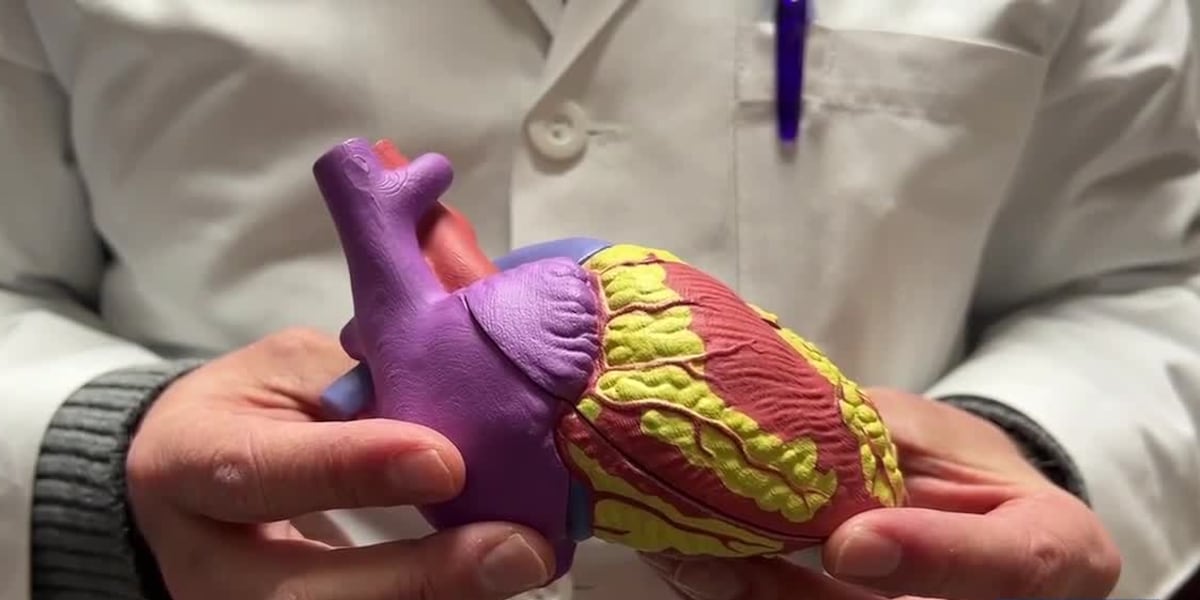
TYLER, Texas (EAST TEXAS NEWS) – An East Texas woman, only 52 years old, needs a pacemaker to keep her heart beating at a normal pace. Her teenage granddaughter is changing her lifestyle to avoid the same fate.
Millions of Americans are quietly developing the same disease.
“She has heart problems, such as sometimes having trouble breathing,” Faith Lister says.
Many people, like Faith’s 52-year-old grandmother, have faced heart issues.
“They gave her a pacemaker,” Lister says.
It’s a device that regulates the heart’s rhythm.
“She still sometimes feels chest pain,” Lister adds.
According to the National Institutes of Health, roughly 3 million people in the United States live with a pacemaker.
“We’ve made many advances in technology and treatment,” a local cardiologist says.
Dr. Oscar Paniagua is a cardiologist at CHRISTUS Mother Frances Hospital. He notes that prevention remains a challenge.
“Heart disease typically presents with pressure and tightness in the chest, but there are some atypical presentations, especially in women,” Dr. Paniagua explains.
Sometimes all of these symptoms can mimic a heart attack, and they are often not detected or are overlooked.
“It’s important to be aware of this for early detection of a heart attack,” says Dr. Paniagua.
Dr. Nitin Kondamudi treats cardiac patients at UT Health. He notes that the disease does not discriminate.
“Certainly, depending on where you live—for example, rural areas of the United States—there will be greater difficulty accessing the regular care people need,” says Dr. Kondamudi.
Many people develop cardiovascular diseases silently over years.
“Even when you feel fine, it’s important to make sure you have ongoing contact with a doctor because something may be forming and you wouldn’t know until it’s too late,” Dr. Kondamudi adds.
The key message: early detection helps with prevention.
“That’s what we’re doing this month… you know, focusing on that,” says Dr. Oscar Paniagua.
Faith knows she cannot change her grandmother’s diagnosis, but she can alter her own future, and doctors say that starts now.
Annual checkups are recommended… or even more frequent if you’re at higher risk of developing heart disease.