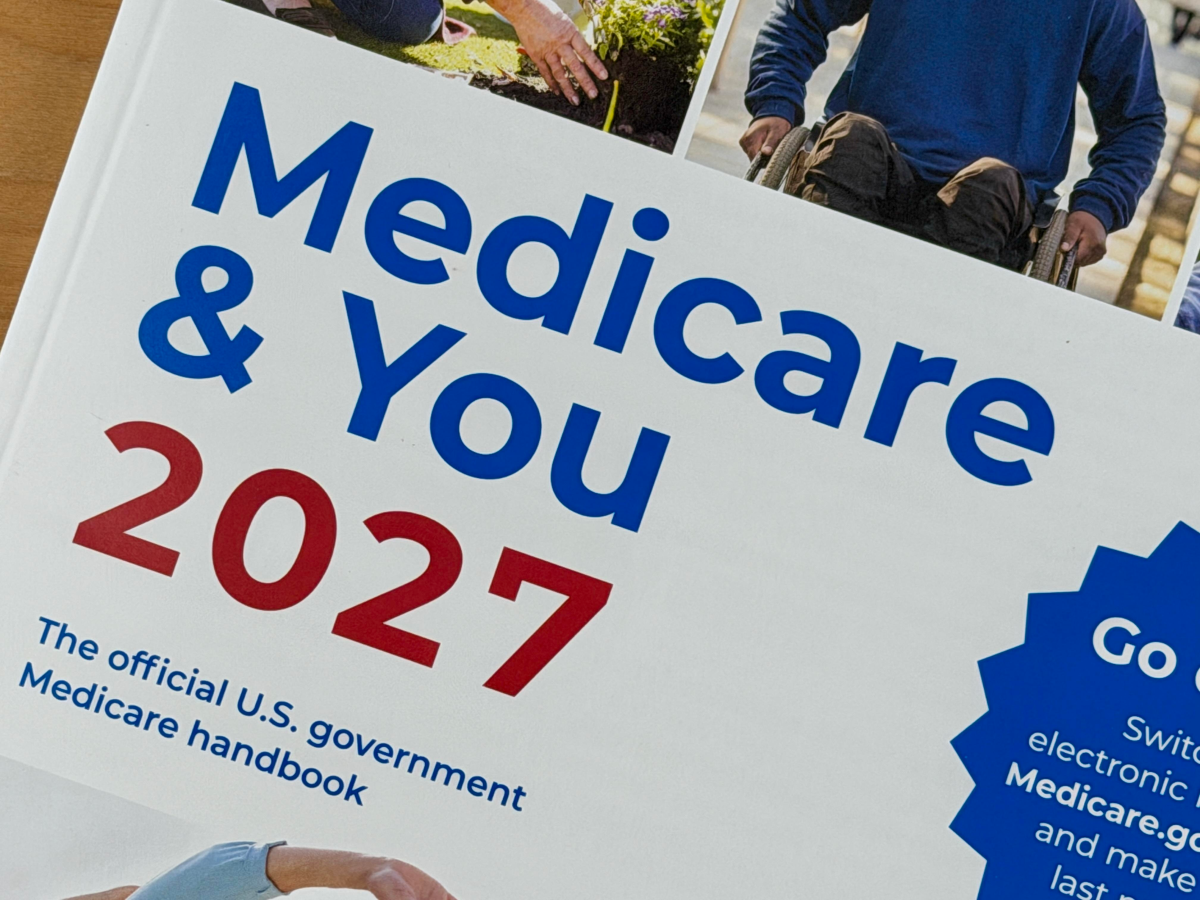
Turning 65 often marks a new phase, but it also brings a decision that can affect your wallet for years to come: enrolling correctly in Medicare. If you’re about to retire in the United States, it’s not enough to know which health insurance to choose. You also need to understand the deadlines for applying, changing plans, and enrolling in drug coverage.
The challenge is that there isn’t a single deadline. Medicare has several enrollment periods, and some do not repeat. If you miss one, you could face months without coverage or penalties added to your premiums. These are the six windows you’ll want to keep on your radar.
1. When should you enroll in Medicare for the first time?
Your initial enrollment period typically lasts seven months: starts three months before the month you turn 65, includes that month, and ends three months after.
For example, if you turn 65 in June, your window would normally run from March to September. Signing up early can help you avoid coverage delays.
On Medicare.gov you can check when your coverage begins based on when you submit your application.
2. How long do you have if you’re still working after 65?
If you or your spouse are still employed and you have health coverage through current employment, you could delay enrolling in Part B without facing a penalty. But not all plans count as credible coverage for this purpose.
When the employment or the employer coverage ends, you typically have an eight-month special enrollment period to sign up for Part B. Do not confuse this with COBRA: having that temporary coverage does not stop the eight-month count.
Before declining Medicare, confirm the conditions with your employer’s benefits administrator. You can review the rules in the official enrollment guide.
3. What happens if you missed the initial enrollment?
If you didn’t enroll when you were supposed and you don’t qualify for a special period, the general enrollment period runs from January 1 to March 31 each year.
Coverage begins the month after you sign up. Still, you may have to pay a late enrollment penalty. So, waiting until January isn’t always the best option.
4. How many days can you go without drug coverage?
Part D of Medicare helps pay for prescription drugs. If you don’t enroll in a plan when you’re eligible and you go 63 consecutive days or more without credible drug coverage, you could face a permanent penalty for as long as you have that coverage.
In 2026, the national base premium used to calculate the penalty is $38.99. The penalty generally equals 1% of that amount for each full month without credible coverage and is added to your monthly premium.
The figure may seem small at first, but it adds up over time. Check the details in the official Medicare penalties guide.
5. When should you buy a Medigap supplemental policy?
If you opt for Original Medicare, you may want to consider Medigap to help cover certain costs that Medicare doesn’t pay in full.
Your Medigap open enrollment period lasts six months and starts the first month you are age 65 or older and enrolled in Part B. During that window, you have strong protections to purchase a policy, even if you have health conditions beforehand.
Once that period ends, your options may shrink or the policies could cost more. Check the terms on Medicare.gov.
6. Until when can you switch plans for the next year?
The annual Medicare open enrollment runs from October 15 to December 7. If you already have coverage, you can switch Medicare Advantage, adjust your drug plan, or move from Original Medicare to Medicare Advantage, as appropriate.
Changes approved during this window take effect on January 1 of the following year. If you’re reviewing options for 2027, don’t miss December 7, 2026.
Consult the options on the official Open Enrollment page.
Before you retire, confirm your dates in writing. If your employment situation changes, don’t assume your company’s insurance automatically shields you from a penalty. A call to Medicare or to the benefits administrator can help you avoid an error that could weigh on your retirement budget.