AP – The COVID-19 variant that could be fueling a recent uptick in cases in parts of the world has earned a new nickname: “blade-throat” COVID.
This is because the variant — NB.1.8.1 or “Nimbus” — can cause painful throat irritations. The symptom has been identified by doctors in the United Kingdom, India and other places, according to media outlets in those countries.
Other COVID-19 symptoms of any variant include fever, chills, cough, difficulty breathing or loss of taste or smell.
Experts say there shouldn’t be major cause for concern with Nimbus, but this is what you need to know about it.
It is spreading through the Eastern Mediterranean, Southeast Asia and the Western Pacific
The rise in cases at the end of last month was largely concentrated in the regions of the Eastern Mediterranean, Southeast Asia and the Western Pacific, the World Health Organization said on May 28. The new variant had reached nearly 11% of sequenced samples reported worldwide by mid-May.
U.S. airport screening detected the new variant in travelers arriving from those regions to destinations in California, Washington state, Virginia and New York.
You’re not likely to get sicker with this variant than with others
At least so far.
The WHO said some Western Pacific countries have reported increases in COVID cases and hospitalizations, but so far there is nothing to suggest that the illness linked to the new variant is more severe than with other variants.
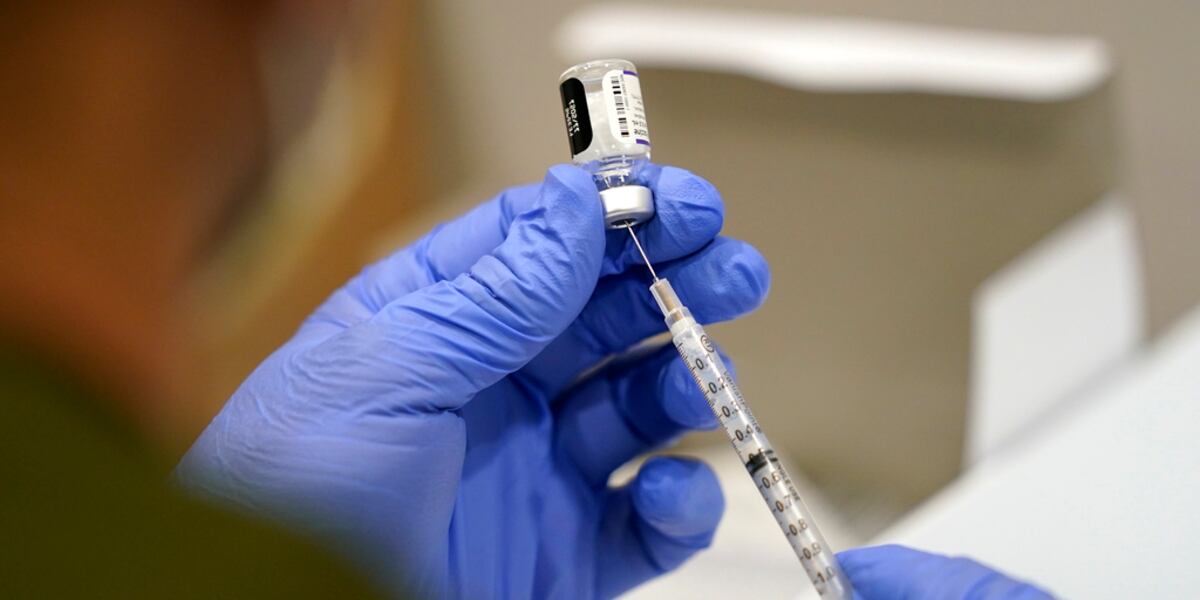
COVID-19 vaccines are effective against Nimbus
The WHO has designated Nimbus as a “variant under monitoring” and considers the risk to public health to be low globally. Current vaccines should remain effective.
Health Secretary Robert F. Kennedy Jr. announced last month that COVID-19 vaccines are no longer recommended for healthy children and pregnant women, a move that was immediately questioned by public health experts.