If you receive SNAP benefits in the United States, there are new rules that could put your aid at risk in 2027. The changes primarily affect adults who were previously exempt from certain work requirements and immigrants with certain legal statuses. It does not mean that everyone will lose SNAP, but some families will have to demonstrate that they still meet the conditions to receive it.
The modifications are part of the federal law known as One Big Beautiful Bill, signed into law in July 2025. Although several provisions began to take effect in 2026, their effects carry through into fiscal year 2027, which began on October 1.
Who Could Lose SNAP Benefits Because of the Work Requirements?
One of the most significant changes broadened the group of adults who must engage in work-related activities to keep SNAP. Now, in general, the rule applies to people aged 18 to 64 who do not have dependent children under 14 at home and who are able to work.
To avoid the time limit on benefits, they must complete at least 80 hours per month of approved activities. They do not necessarily have to be paid employment hours. They can also count:
What happens if you don’t meet it? In general, you could receive SNAP for only three months within a 36-month period while you fail to meet the requirement or do not have a valid exemption.
The expansion also covers some groups that previously had special protections, such as veterans, people experiencing homelessness, and young people who aged out of foster care. LawHelpNY’s guide on the new SNAP requirements explains how to document the activities and what to do if you think you are exempt.
Who Still Might Be Exempt from Working?
Not all recipients have to meet the 80 hours. Among the exceptions noted by LawHelpNY guidance are:
If your situation falls into any of these categories, don’t assume you’ll lose eligibility. Contact the state SNAP office and ask what documents you need to submit.
Can Immigrants Also Lose SNAP in 2027?
Yes. The federal law restricted eligibility for certain immigrants who previously could receive food stamps.
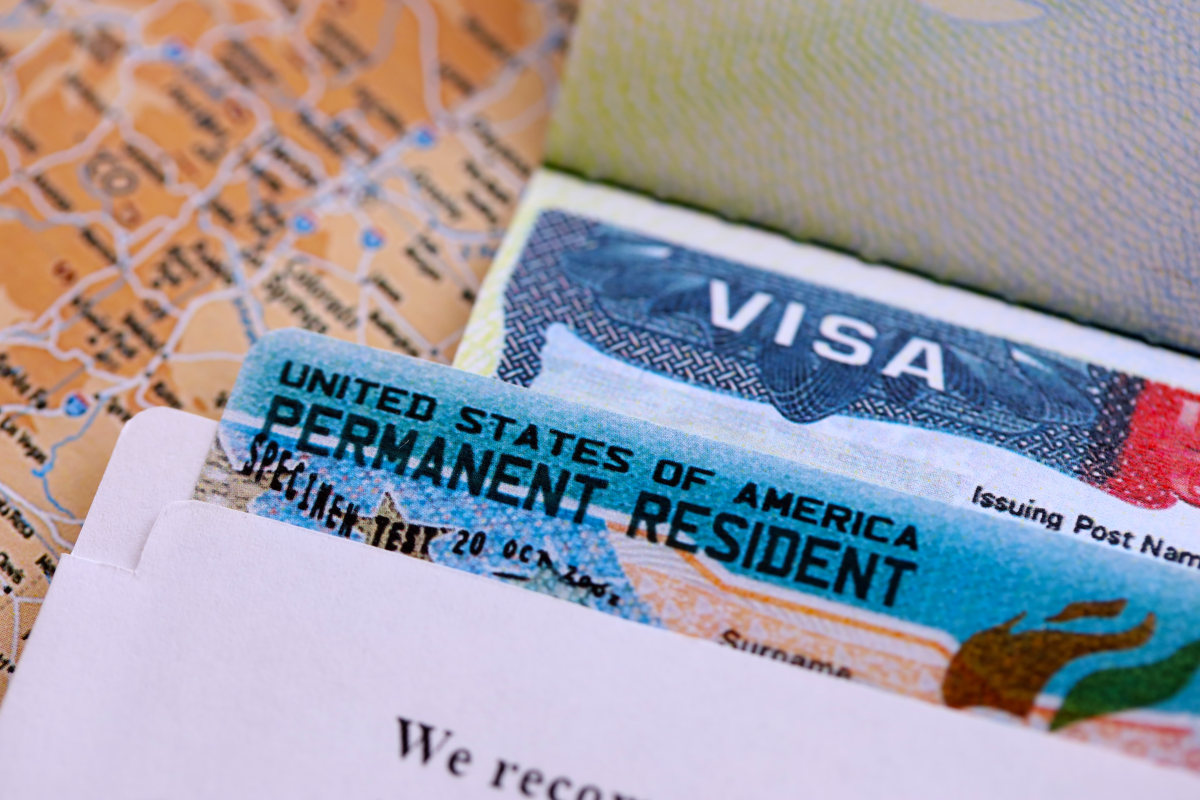
Now, among the groups that may qualify are U.S. citizens, U.S. nationals, lawful permanent residents who meet the applicable conditions, Cubans and Haitians considered entrants and citizens of Compact of Free Association countries.
This means that some refugees, asylees, parolees, and other immigrants who could previously qualify are no longer included in the federally authorized categories. Details and exceptions depend on immigration status and individual circumstances.
If your family has members with different statuses, don’t assume that everyone will lose the benefit: those who are eligible can keep their share of the assistance.
What Should You Check to Avoid Losing Your SNAP Benefits?
In addition to work and immigration requirements, SNAP updates its income limits annually. For fiscal year 2027, between October 1, 2026 and September 30, 2027, the federal gross monthly income limit for a four-person household in the 48 contiguous states and Washington, D.C. is $3,575. The net income limit is $2,750.
However, rules can vary by state and the eligibility policies it has authorized. You can check the amounts and deductions on the USDA’s official SNAP page.
If you receive this assistance, review your notices, respond to information requests, and do not miss renewal deadlines. A change in rules does not mean you should give up your benefits without first checking whether you qualify for an exception.