- Key Points
- What is a Required Minimum Distribution (RMD)?
- Understanding the Required Minimum Distribution (RMD)
- Who Must Take Required Minimum Distributions (RMDs)?
- Do you have to take an RMD if you are still working?
- How are Required Minimum Distributions (RMDs) calculated?
- Can you combine RMDs from different accounts?
- How to avoid penalties for Required Minimum Distributions (RMDs)
- Conclusions
- FAQs
- Can I withdraw more than the RMD?
- Should I pay taxes on my RMD?
- Are there exceptions to RMDs?
- Article Sources
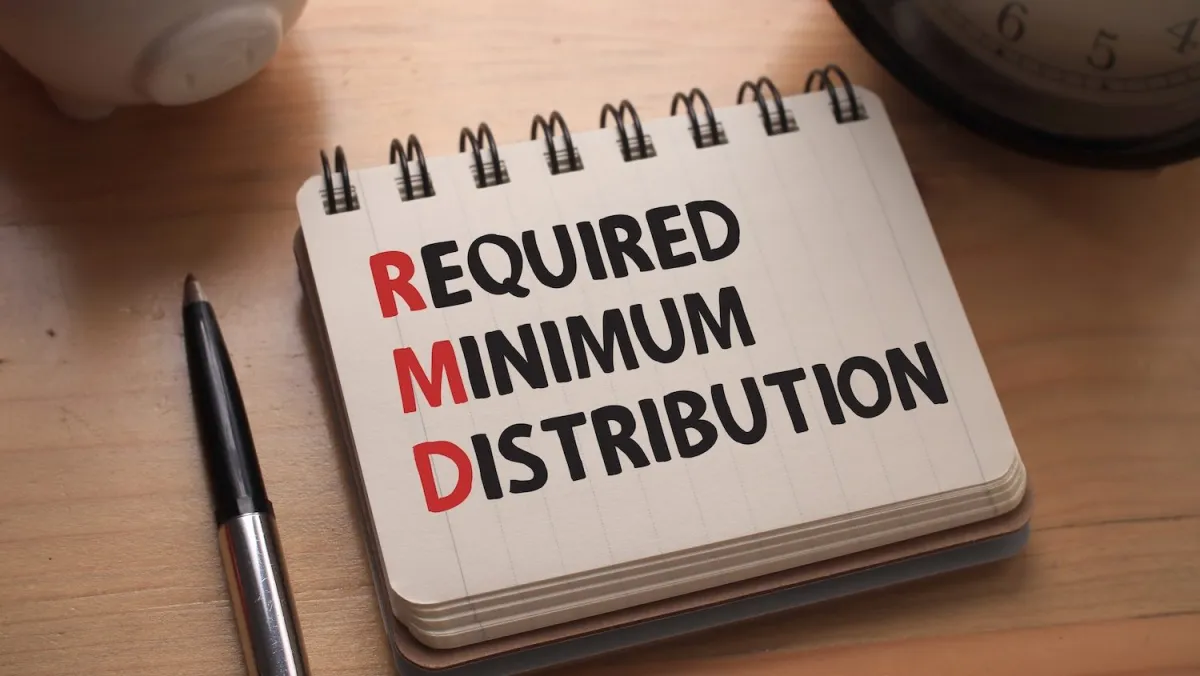
The required minimum distribution (RMD) is the annual mandatory withdrawal that the IRS requires starting at a certain age for tax-deferred retirement accounts, such as traditional IRAs and 401(k) plans. This requirement aims to ensure that the government collects taxes on funds that have not yet been taxed, and failing to comply can result in significant penalties.
Key Points
What is a Required Minimum Distribution (RMD)?
The required minimum distribution (RMD) is the minimum amount you must withdraw, or “distribute” in IRS terms, from certain types of retirement savings accounts each year after reaching a specified age. The rules for required minimum distributions (RMDs) are set by the IRS, and the distributions are typically subject to income tax.
Understanding the Required Minimum Distribution (RMD)
Tax-deferred retirement accounts, such as traditional IRAs and 401(k) plans, are subject to required minimum distributions (RMDs); though the age at which withdrawals must begin has increased several times in recent years. Note that in 2020 the age for the required minimum distribution (RMD) moved from 70.5 to 72 years, under the first SECURE Act.
And subsequently the SECURE Act 2.0 increased the RMD age to 73 years or 75 for people born in 1960 or later. It’s worth noting that the IRS allows delaying the first RMD until April 1 of the year following the RMD age.
For example, someone who turns 73 in 2024 had until April 1, 2025 to take their first required minimum distribution (RMD) and will have to withdraw the second by the end of that year. Keep in mind that failing to meet the RMD requirement can trigger a penalty of up to 25%. Retirees may withdraw more than the RMD without penalty.
Who Must Take Required Minimum Distributions (RMDs)?
This is the list of retirement accounts or savings plans that have required minimum distributions (RMDs) that beneficiaries must follow:
It’s important to note that Roth IRAs are not on the list because you do not have to take RMDs if you are the original account owner; however, the person who inherits it may have to take RMDs after the owner’s death.
Do You Have to Take a Required Minimum Distribution (RMD) If You Are Still Working?
If you are still working after age 73 you must take an RMD from the IRA account; however, a beneficiary may defer the distribution from their current employer-sponsored savings plan, such as a 401(k), 403(b), or a small-business retirement account, if still employed and you do not own more than 5% of the company you work for or you have an employer-sponsored retirement plan with the company you work for.
Unless the plan requires that RMDs begin before age 73, you can postpone taking them until April 1 of the year following retirement, as long as the aforementioned criteria are met. Note that this does not apply to IRAs or other employer-sponsored retirement plans that you may have with companies you no longer work for.
How are Required Minimum Distributions (RMDs) Calculated?
RMDs are calculated using an IRS formula: the fair market value of the account at the end of the previous year is divided by the applicable life expectancy factor. Depending on your situation, a specific table is used, such as the one for surviving spouse beneficiaries who are significantly younger. As you age, the amount of the RMD can increase because it is based on your life expectancy and the account value.
The purpose of RMDs is to ensure that the IRS collects taxes on money that has not yet been taxed, such as funds in accounts like a 401(k) or an IRA. This withdrawal is taken over the account owner’s lifetime. Because the calculation depends on the account value and life expectancy, the RMD amount will not remain the same each year, as both factors will change during retirement.
Can You Combine RMDs From Different Accounts?
If you have more than one type of retirement plan, the ability to combine the RMDs depends on those accounts themselves. Among the accounts where RMDs must be taken separately are: 401(k) plans, profit-sharing plans and other employer-sponsored plans, inherited IRA accounts, and inherited 403(b) plans. For example, if you have two 401(k) plans and two inherited IRAs, you would typically need four withdrawals to satisfy your RMD requirements.
On the other hand, there are some accounts where RMDs can be combined and do not have to be taken separately, such as traditional IRAs, SEP or SIMPLE IRAs, and 403(b) plans. But note that you cannot satisfy an IRA’s RMD with a distribution from a 403(b), nor vice versa.
How to Avoid Penalties for Required Minimum Distributions (RMDs)
To avoid penalties, it’s crucial to comply with federal law and withdraw the correct amount of the required minimum distribution (RMD) before the deadline. A financial advisor can explain how the tax treatment of these withdrawals is handled.
If you do not take a distribution or withdraw less than required, you could face a penalty of up to 25% of the amount not withdrawn, though this is reduced to 10% if corrected within two years. Note that withdrawals taken above the RMD do not count toward future RMDs. Pre-tax withdrawals are taxed as ordinary income, and if there are after-tax dollars in the plan, those withdrawals count toward the RMD but are not taxed.
Conclusions
Complying with the required minimum distributions (RMDs) is essential to avoid penalties and maintain efficient tax planning during retirement. Knowing the rules, dates, and calculation methods helps prevent costly mistakes and optimize withdrawals strategically. Proper management of RMDs, with the support of a financial advisor, allows balancing tax obligations with income needs, ensuring that retirement savings are managed in an orderly and sustainable manner.
FAQs
Can I Withdraw More Than the RMD?
Yes, you can always withdraw more than the RMD amount; however, keep in mind that the withdrawal will be taxed as ordinary income, and any excess withdrawn will not count toward the RMD for future years.
Should I Pay Taxes on My RMD?
The total amount of the RMD is taxed as ordinary income at your personal federal tax rate, and state taxes may also apply. If you made a nondeductible contribution to an IRA, that portion is not taxed; however, the earnings will be taxed as long as you have filed IRS Form 8606.
Are There Exceptions to RMDs?
In the calendar year you turn 73, you can defer the RMD until April 1 of the following year, but then you must take two RMDs in that same year. If you are still working at 73 and contribute to a 401(k), you do not have to withdraw your savings until you retire.