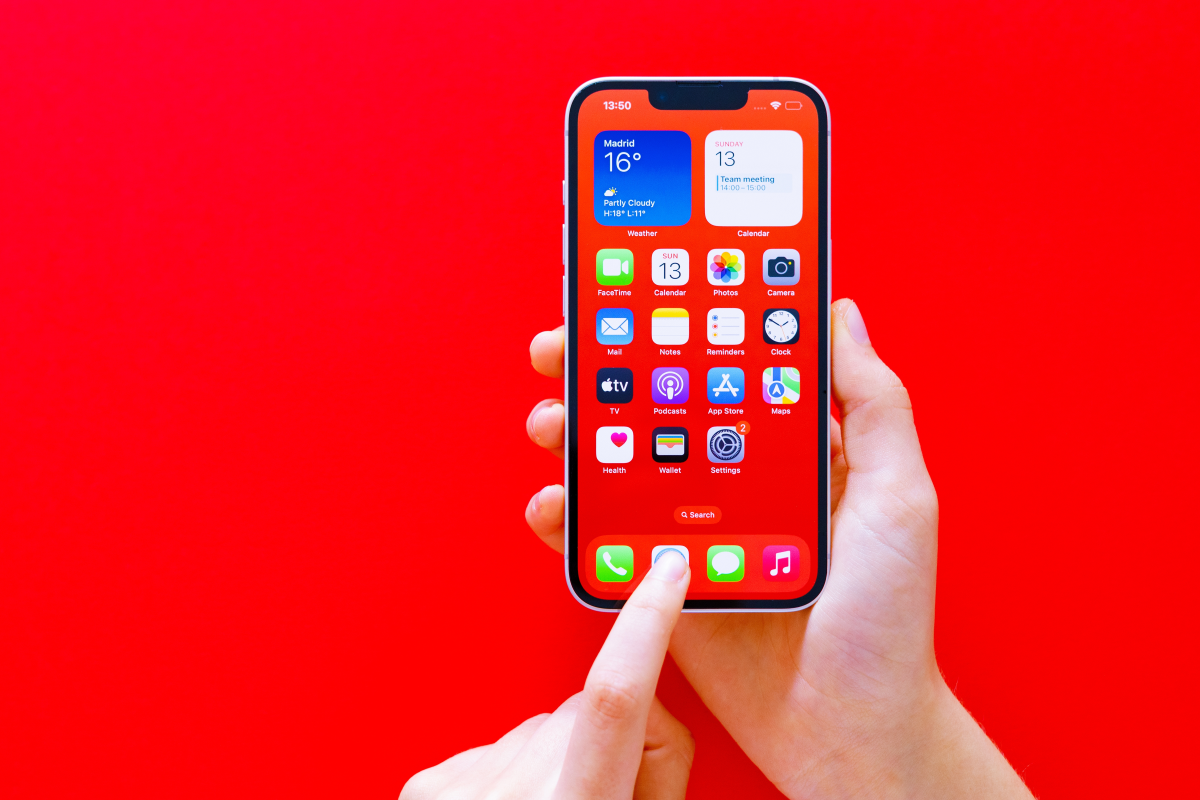
In the midst of the rising cost of living in the United States, any help that eases monthly expenses becomes valuable. One of the best pieces of news for low-income households is that there is a real possibility to obtain a modern phone — including iPhone models — completely free or with a substantial discount. This is possible thanks to the federal Lifeline program, an initiative aimed at keeping the most vulnerable families connected across the country.
Lifeline not only offers free or subsidized phones; it also covers part of the monthly cost of calls, texts, and mobile data, turning the benefit into ongoing support, not just an initial gift. For many Hispanics who work, study, or keep in touch with family abroad, this assistance represents a key tool to stay connected.
What is Lifeline and why does it offer free phones?
The Lifeline program is part of the federal government’s effort to reduce the digital divide in low-income communities. Its goal is to ensure that everyone, regardless of their financial situation, has access to essential communication services. The companies partnering with the program typically offer devices that are new or refurbished, and in many cases include high-end smartphones such as certain iPhone models.
The benefit works through a monthly discount applied directly to the bill for phone service or internet. In some states, this support is combined with the Affordable Connectivity Program (ACP) —if available—, further expanding the total value of the aid.
Who qualifies to receive a free or discounted iPhone?
The Lifeline eligibility rules are clear and targeted at households with limited incomes. You may qualify if your household income is equal to or below 135% of the federal poverty level, or if you participate in any of the following programs:
For Hispanics living in rural communities or areas with limited access to financial services, Lifeline has become a technological lifeline.