If you live in New York City and rely on the subway to get to work, to take your children to school, or to move between the five boroughs, you’ve probably noticed that traveling costs a bit more. The Metropolitan Transportation Authority (MTA) raised its fares in 2026 and introduced important changes in how trips are paid for.
The increase may seem small when viewed in isolation — only a few cents per ride. Yet if you use public transit every day, the impact on your budget is another story.
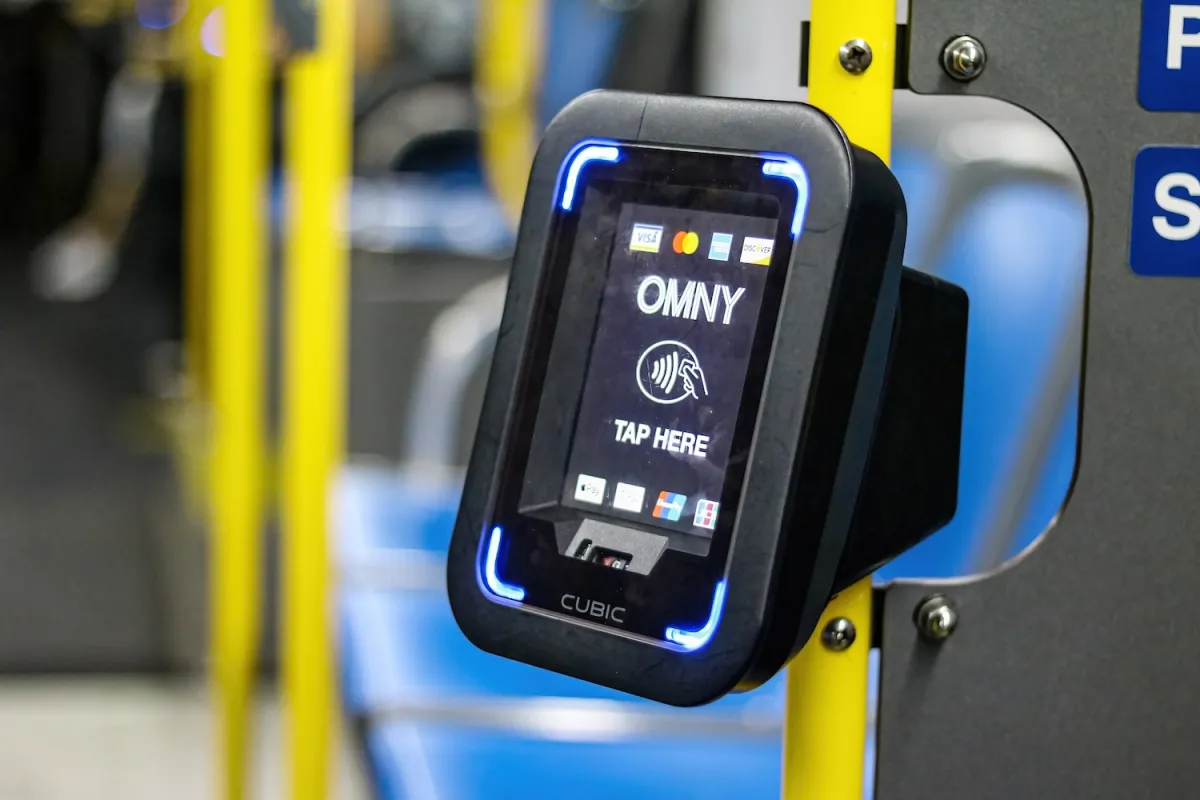
The changes began to take effect on January 4, 2026, as part of the transition to OMNY, the contactless payment system that will eventually replace the MetroCard.
The MTA approved the adjustments in September 2025, along with new rules for weekly fare caps and express buses.
How much does New York City’s subway cost with the MTA’s new fares?
The base fare for the subway and local buses rose from $2.90 to $3 per ride. This represents an increase of ten cents, or roughly 3.4%.
If you use transit twice a day over five workdays, you now pay $30 per week, compared to $29 before the fare increase.
Express buses also increased in price. Their fare rose from $7 to $7.25 per ride.
The difference is more noticeable if you depend on this service to travel from areas outside Manhattan. Ten weekly trips now amount to $72.50 before applying OMNY’s fare cap.
What will you pay at most per week with OMNY?
One of the most significant changes is the consolidation of the weekly fare cap.
With the OMNY system, you can pay for trips individually until you reach a maximum of $35 over a seven-day period. After that, eligible trips you take during the remainder of that period will be free.
You don’t need to purchase a weekly pass in advance. The system automatically tallies your payments, as long as you use the same bank card, device, or OMNY card.
If you have a reduced fare, the weekly cap is $17.50. For express buses, the maximum is $67 per seven days and includes eligible trips on the subway and local buses.
There’s one detail you should not overlook: if you alternate between your physical card and the same card stored on your phone, OMNY may treat them as different payment methods. That means your trips may not accumulate toward the same weekly cap.
When will MetroCard stop working in New York?
The MetroCard stopped being sold on December 31, 2025, but you can still use the balance you have left.
The MTA plans to end its acceptance during 2026, though you should check the final date on their official channels before discarding your card.
With OMNY you can pay using a contactless bank card, your phone, or a reloadable physical card. The latter can be especially useful if you prefer cash or do not want to link your bank account to public transit.
The MTA explains how OMNY works and where you can use it.
How can you save on New York City’s public transit?
If you ride the subway every day, it’s wise to review the available benefits before continuing to pay full fare.
The Fair Fares NYC program offers a 50% discount on eligible trips for New York residents who meet certain income requirements.
There are also reduced fares for people aged 65 and older and for riders with qualifying disabilities.
And if your workday requires several transfers, remember that OMNY allows one eligible free transfer within two hours of the first payment.
For those who depend on public transit to get to work, these benefits can represent substantial savings. The key is to always use the same payment method and verify that the corresponding discounts are active on your account.