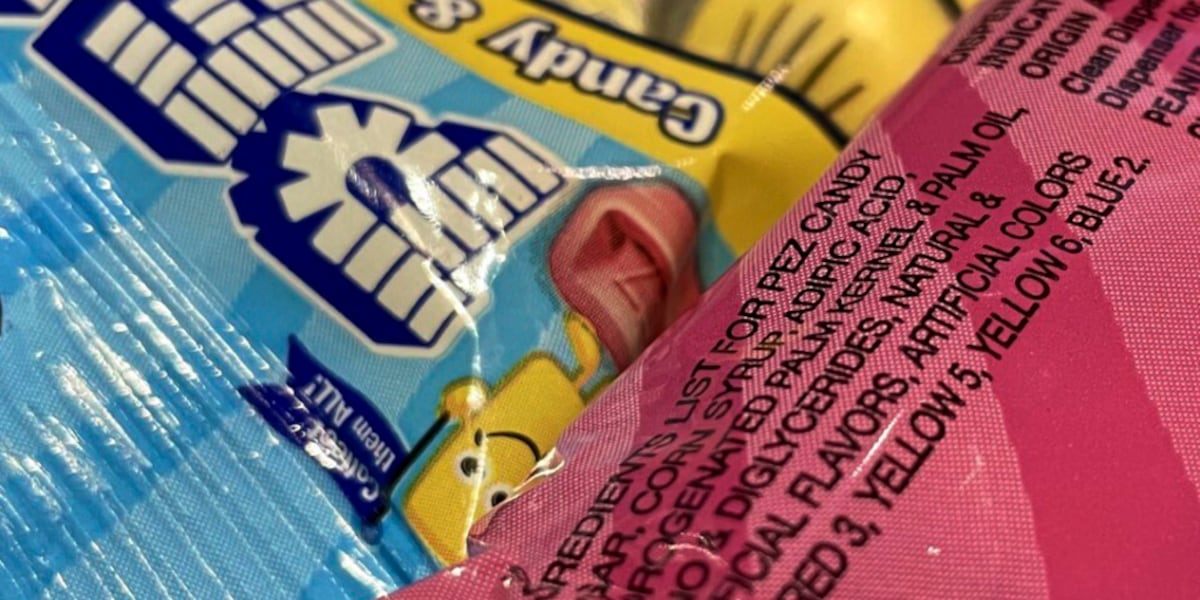
This evidence-based decision ties the additive to cancer development observed in animal studies and sets timelines for its total removal: January 2027 for food products and January 2028 for ingested medications.
The red dye No. 3, also known as erythrosine, provides a bright red hue to items such as candies, frostings, maraschino cherries, frozen desserts, and certain beverages.
In medicines, it appears in formulations like analgesics such as acetaminophen, antidepressants such as fluoxetine, and anticonvulsants such as gabapentin. According to the Center for Science in the Public Interest (CSPI), thousands of products in the United States still contain this additive.
Reasons Behind the Ban
The FDA explained that the measure is grounded in the Federal Food, Drug, and Cosmetic Act, which prohibits the use of additives linked to cancer in humans or animals. Earlier studies found that male rats exposed to high doses of erythrosine developed tumors, a finding that led the agency to ban its use in cosmetics and topical medicines in 1990.
“The primary purpose of food colorings is purely aesthetic. When the function is solely decorative, why accept any risk of cancer?” said Dr. Peter Lurie, president of CSPI, who has advocated eliminating this additive for decades.
Which Foods Contain Red No. 3?
A search conducted by the United States Department of Agriculture identified more than 9,200 products that contain Red No. 3. Among the most common items are seasonal candies, cupcakes, frostings, and colored beverages, as well as many of the sweets typically enjoyed around Valentine’s Day. In medicines, it appears in frequently used oral formulations, though not all products in these categories contain it, so it is advisable to read the labels before consuming.
It may appear under the name FD&C Red No. 3, FD&C Red 3, and Red 3.
California led the way in banning Red No. 3 in 2023, spurring similar legislation in other states such as Washington, Illinois, and Missouri. On a global scale, countries like Japan, Australia, and the European Union have already restricted or prohibited its use in foods, highlighting public health concerns.
Despite the absence of definitive evidence about its impact on humans, experts contend that the potential risk justifies its removal. With this measure, the FDA aims to protect consumers and align U.S. regulations with stricter international standards.
Consumers are urged to stay informed and check labels, as Red No. 3 will remain present in products until the deadline for its final elimination is reached.