There are two kinds of people: hobbyist numismatists and experts. It is more common than we might imagine for people to accumulate coins, both from the United States and from other countries, without realizing that, over time and due to other factors, they could carry a high value in the collectors’ market.
From ten-cent coins that are worth thousands of dollars to one-dollar coins that can be worth millions, it’s possible you have one in your pocket and don’t take the opportunity to sell it. Here we tell you how and where.
How to identify if a coin is worth a lot of money?
To determine whether the coin you have tucked away carries significant market value, you can consult The Official Red Book by Whitman, a guide to United States coins. It contains more than 2,000 images, over 7,600 listings, and more than 32,000 coin prices. It’s worth noting that despite all this information, the prices are out of date, but it can be a good starting point to gauge how rare and valuable your coin might be if it appears in the publication.
After confirming that your coin may command a high price in the collectors’ market, you should consider the physical condition of your specimen. A scratch or wear that is not natural, valued by experts, could reduce its value by several hundred dollars.
Do coins fetch higher prices when they are clean? Be careful! When it comes to ancient coins, cleaning also counts as damage. A patina-stripped coin may be bright, but it can also feel lifeless. Coin collectors will often pay far less for a clean coin, if they buy it at all.
To gauge the condition of your coin, The Professional Coin Grading Service (PCGS) is one of the world’s leading coin-grading companies. You can use its online resource, Photograde, to establish an approximate grade for your coin.
With all this information in hand, it’s time to estimate how much your coin could cost. CDN’s Greysheet provides recent retail values for U.S. coins at each grade. CDN’s Greysheet and Greensheet are among the most trusted price guides in the industry. However, Greysheet prices are only guidelines, and local prices may vary.
Where to sell your old coins?
Now that you know how much your coin might be worth, it’s time to find a buyer. From local shops to shows and auctions, there is a broad market for selling, though this will depend on the type of specimen you own.
1. Local Coin Shop
Although not common in every city, there are towns that host local coin shops. These places are ideal when you know you have a piece in the low- to mid-range, such as wheat cents, buffalo nickels, junk silver, and scarce silver coins and silver dollars.
Listing every type of local shop across the United States is impossible, so we recommend searching in your area. Check Facebook groups, read online reviews and comments about coin shops near you. You can also call the shop to see if they have your coin in stock: if they do, they may offer a low price; if they don’t, the offer could be more generous.
2. Coin Show
In the United States there is a large community of collectors, known as coin shows, which are fairs where various local and national shops gather to buy and sell different pieces for cash. At these events, there is often a Heritage Auctions booth that frequently provides free valuations at the major coin shows.
One tip is to “come back later.” Depending on how busy the booth is, the dealer may not have time to devote to inspecting the piece, so you should return later if they are indeed interested in your specimen.
2. eBay
eBay is a site for buying and selling all kinds of items, including coins. However, this option carries high fees that discourage many sellers; but it remains an option. Conducting an auction on this platform, with good photos, can be more profitable.
4. Auction Houses
If after an appraisal a vintage coin shows the potential to fetch millions, the best route to sell your piece is through an auction house. Heritage Auctions and Stack’s Bowers are the two leading auction houses in the rare-coin market. consigning your coins to a major auction house gives them access to a global audience of coin collectors, maximizing their chances of obtaining the best price.
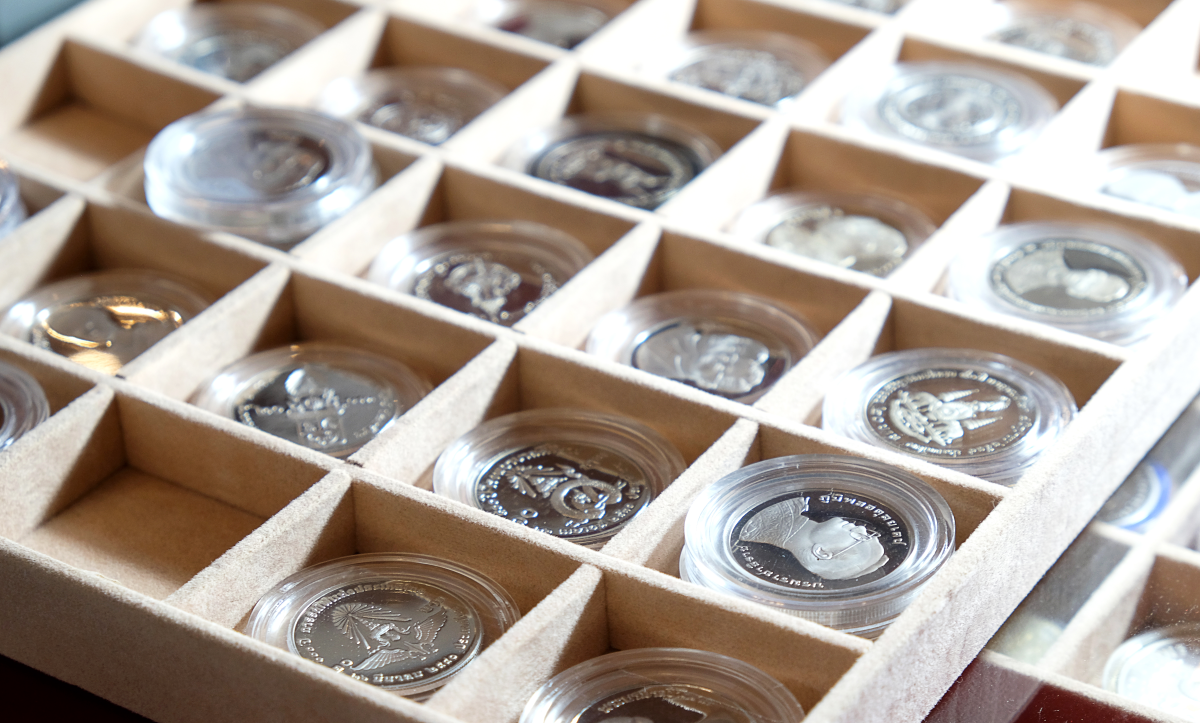
To pursue this option, you’ll need to certify the authenticity of your coins. The two largest and most popular “third‑party grading services” are Numismatic Guaranty Company (NGC) and Professional Coin Grading Service (PCGS). These services certify, seal in a protective slab, include all information, and grade the coin.
Coins that have been graded and sealed in a protective slab by these two companies tend to have higher liquidity and often sell for more than ungraded coins.